Showing posts with label Kiran Bedi. Show all posts

Friday, February 11, 2022

अण्णा हजारे आणि मी


फोटोत अण्णा आणि मी ... साल १९९१ च्या आसपास ,, फोटोक्रेडीट अभय वैद्य

 कोणे एकेकाळी अण्णांशी माझी खूप घसरट होती. अण्णा पुण्यात येत असल्याचे किंवा आल्याचे इतर पत्रकारांपेक्षा मला आधीच कळायचे आणि मग मी त्यांना नारायण पेठेतल्या हिंदी राष्ट्रभाषा भवनात भेटायला जायचो.

राष्ट्रभाषा मंडळाचे पदाधिकारी असलेले मोहन धारिया ( हेही अण्णा म्हणून ओळखले जायचे ) त्यावेळी हजारे यांचे जवळचे म्हणून पुण्यात येथे ते त्यावेळी राहायचे.
लक्ष्मी रोडवरच्या सुगावा प्रकाशनाकडे जाताना नारायण पेठेतल्या मोदी गणपतीपाशी असलेल्या या राष्ट्रभाषा भवनाकडे आजही माझी नजर हमखास जाते याचे हे कारण.
पुण्यातल्या मराठी दैनिकांतल्या बातमीदारांना त्याकाळात अण्णांना भेटण्यास मुळी इंटरेस्टही नसायचा.
पुण्यात डेक्कनला रानडे इन्स्टिट्यूटसमोर मंथली कॉट बेसिसवर इंडियन एक्सप्रेसच्या अव्हर्तीन्हो मिरांडा, विश्वास कोठारी आणि विश्वनाथ हिरेमठ वगैरे सड्याफटिंग बातमीदारांसह मी राहायचो. प्रिया लॉजच्या त्या पत्त्यावर अण्णा मला पोस्टाने निळ्या आंतरदेशीय पत्राने बातम्या पाठवायाचे . ती पत्रे आजही माझ्याकडे आहेत.
गोव्यातले नवहिंद टाइम्स सोडल्यानंतर औरंगाबादच्या लोकमत टाइम्स मार्गे पुण्यातल्या इंडियन एक्स्प्रेसला मी १९८९ ला रुजू झालो होतो.
एके दिवशी कळाले कि पुणे अहमदनगर हमरस्त्यावर पारनेर फाट्याजवळ वाडेगव्हाण येथे शेतकऱ्यांच्या आंदोलनात पोलीस गोळीबारात पाचजण ठार झाले होते. अहमदनगरला अण्णा हजारे यांचे त्यावेळी शेतकऱ्यांच्या प्रश्नांवर प्राणांतिक उपोषण चालू होते. अण्णांचे हे पहिलेच आमरण उपोषण.
एक्सप्रेस समूहाच्या ऑफिस वाहनाने लोकसत्ताचे बातमीदार सुनिल कडुस्कर आणि फोटोग्राफरसह मी लगेच वाडेगव्हाण येथे गेलो. पुण्यात ऑफिसात परतेपर्यंत अण्णांनी जिल्ह्याधिकाऱ्यांशी झालेल्या चर्चेनंतर उपोषण मागे घेतले होते असे कळाले.
अण्णा हजारे या व्यक्तिमत्वाशी माझा यावेळी असा पहिल्यांदाच संबंध आला.
त्यानंतर सवडीने एकदा राळेगण सिद्धीला (त्यावेळी शिंदी ) जाऊन आलो. लवकरच राळेणसिद्धी हा माझ्या वहिवाटीचा रस्ता बनला.
पत्रकाराने कुठल्याही व्यक्तिमत्वाशी, घटनेशी, चळवळीशी स्वतःस गुंतून घेऊ नये त्यामुळे त्यांच्या निःपक्षीपणात तडजोड होऊ शकतो, हा पत्रकारितेतील एक सर्वमान्य, बेसिक नियम आहे. माझ्या स्वतःच्या गोव्यातल्या कॉलेज जीवनातल्या पार्श्वभूमीमुळे मात्र मला या नियमाचे पालन करता येणे शक्य झाले नाही.
गोव्यात मिरामारच्या धेम्पे कॉलेजात मी आर्ट सर्कलचा संपादक होतो, स्टुडंट्स युनियनच्या निवडणुका मी लढवल्या होत्या. नवहिंद टाइम्सचा रिपोर्टर असताना मी गोवा युनियन ऑफ जर्नालीस्टचा (GUJ) सरचिटणीस होतो. वृत्तपत्र उद्योगातील लेबर युनियन लीडर म्हणून गोव्यात, औरंगाबादला आणि पुण्यातही दशकभर सक्रिय काम केलेले, त्यावेळीं जॉर्ज फर्नांडिस आमचे दैवत असायचे. गोव्याला फिलॉसॉफी असोसिएशनचा सरचिटणीस म्हणून अंधश्रध्दा निर्मुलन समितीच्या श्याम मानव यांचे व्याख्यान मी पणजीला आयोजित केले होते.
असे चळवळ्ये व्यक्तीमत्व असल्याने मी स्वतःला असे अलिप्त ठेवणे शक्य नव्हते.
आणि शेवटी व्हायचे तेच झाले.
राळेगणच्या माझ्या भेटी वाढत गेल्या, एकदा तर मी तेथे दोनतीन दिवस मुक्काम केला. त्यावेळी अण्णांचे चरित्र आणि कार्य यावर असलेले एक पुस्तक त्यांच्या कार्यालयात दिसले. त्यांच्पा सचिवाने पुस्तकाची किंमत मला सांगितली. काही क्षणातच अण्णांनी ते पुस्तक माझ्या शबनम बॅगेत हळूच टाकून दिले होते.
अण्णांची ती कृती मी पाहिली आणि ते पक्के मिडिया सॅव्ही आहेत हे त्याच वेळी माझ्या लक्षात आले.
नंतर त्यांच्या पुढील प्रवासात अगदी काही वर्षांपूर्वीच्या अरविंद केजरीवाल, किरण बेदी प्रभुतींसह झालेल्या दिल्लीतल्या जंतर मंतर आंदोलनात अण्णांची ती कृती मला वेळोवेळी आठवायची.
त्या काळातला टाइम्स ऑफ इंडियाच्या अभय वैद्यने अण्णांबरोबरचा माझा टिपलेला हा कृष्णधवल फोटो. . नरेन करुणाकरन या एक्सप्रेसच्या बातमीदाराने राळेगण येथेच माझा अण्णांबरोबर काढलेला दुसरा रंगीत फोटो आता सापडत नाही. आणि नरेन याचा अण्णांबरोबर यावेळी मी काढलेला रंगीत फोटो मात्र माझ्याकडे आहे !
त्याकाळात अण्णा हजारे यांना राष्ट्रीय पातळीवर आणण्यास इंडियन एक्सप्रेसचे बातमीदार म्हणून नरेन करुणाकरन आणि मी , टाइम्स ऑफ इंडियाचे अभय वैद्य आणि इंडिपेंडेंटचे आनंद आगाशे यांचा हातभार लागला. हे आम्ही सर्व पत्रकार इंग्रजी आणि राष्ट्रीय पातळीवरच्या दैनिकांतले. साहजिकच आमच्या बातम्यांमुळे पहिल्यांदाच अण्णा राज्य आणि राष्ट्र पातळीवर पोहोचले...
अहमदनगर जिल्ह्यातील मॉफुसील बातमीदार अण्णा हजारेंकडे ढुंकूनही पाहत नसत, पुण्या-मुंबईच्या मुख्यालयातून विचारणा झाल्यास वा बाहेरचे पत्रकार अण्णांच्या बातम्या देऊ लागल्यास मगच या बातम्या त्यांच्याकडून यायच्या.
हल्ली अनेकदा गोव्यात सुट्टीला आणि या दिवसांत निवडणुकीसाठी पुण्यातले मित्र आणि पत्रकार मंडळी जातात तेव्हा मला हमखास काही टिप्स मागतात. नव्वदच्या दशकात राळेगणला जाणारे पत्रकार मला अशीच वाट पुसत असत.
१९९३ साली संजय सोनवणी यांनी `उत्तुंग' हे माझे व्यक्तिचित्रसंग्रह प्रसिध्द केले त्यात अण्णा हजारे यांचेही चरित्र होते. शेतकरी संघटनेचे नेते शरद जोशी यांचेही या पुस्तकात चरित्र होते. बाबा आढाव, शंतनुराव किर्लोस्कर , मुस्लिम सत्यशोधक मंडळाचे सय्यदभाई वगैरेंची चरित्रे होती.
मी त्यावेळी तिशी पार केलेली नव्हती, पत्रकार असलो तरी पटकन भारावले जाण्याचा तो युवा काळ होता. भ्रमनिरास त्यानंतर खूप कालावधीनंतर होत गेला..
गोव्यात १९८३ साली कॉमनवेल्थ कॉन्फरनसच्या निमित्ताने ३९ राष्ट्रप्रमुख अगदी ब्रिटिश पंतप्रधान मार्गारेट थॅचर, ऑस्ट्रियाचे पंतप्रधान बॉब हॉक, झिम्बाब्वे पंतप्रधान रॉबर्ट मुगाबेसह आले होते. गोव्यात वाहतूक उपाधिक्षक असलेल्या किरण बेदी यांच्याशी त्यावेळी क्राईम रिपोर्टर असलेल्या माझा नियमितपणे संबंध यायचा. किरण बेदींबरोबर वाहतूक पोलिसांच्या नव्याकोऱ्या जिप्सी जीपमध्ये वॉकीटॉकी यंत्रासह रेकी करण्यासाठी किरण बेदी निघायच्या त्यावेळी दाबोळी विमानतळ ते आग्वाद फोर्ट या प्रवासात मी त्यांच्या बरोबर असायचो. बेदी यांच्याविषयी मला तेव्हा खरंच काहीच माहिती नव्हती, त्यामुळे त्यांच्याबद्दल मी भारावून जाण्याचा सवालच नव्हता.
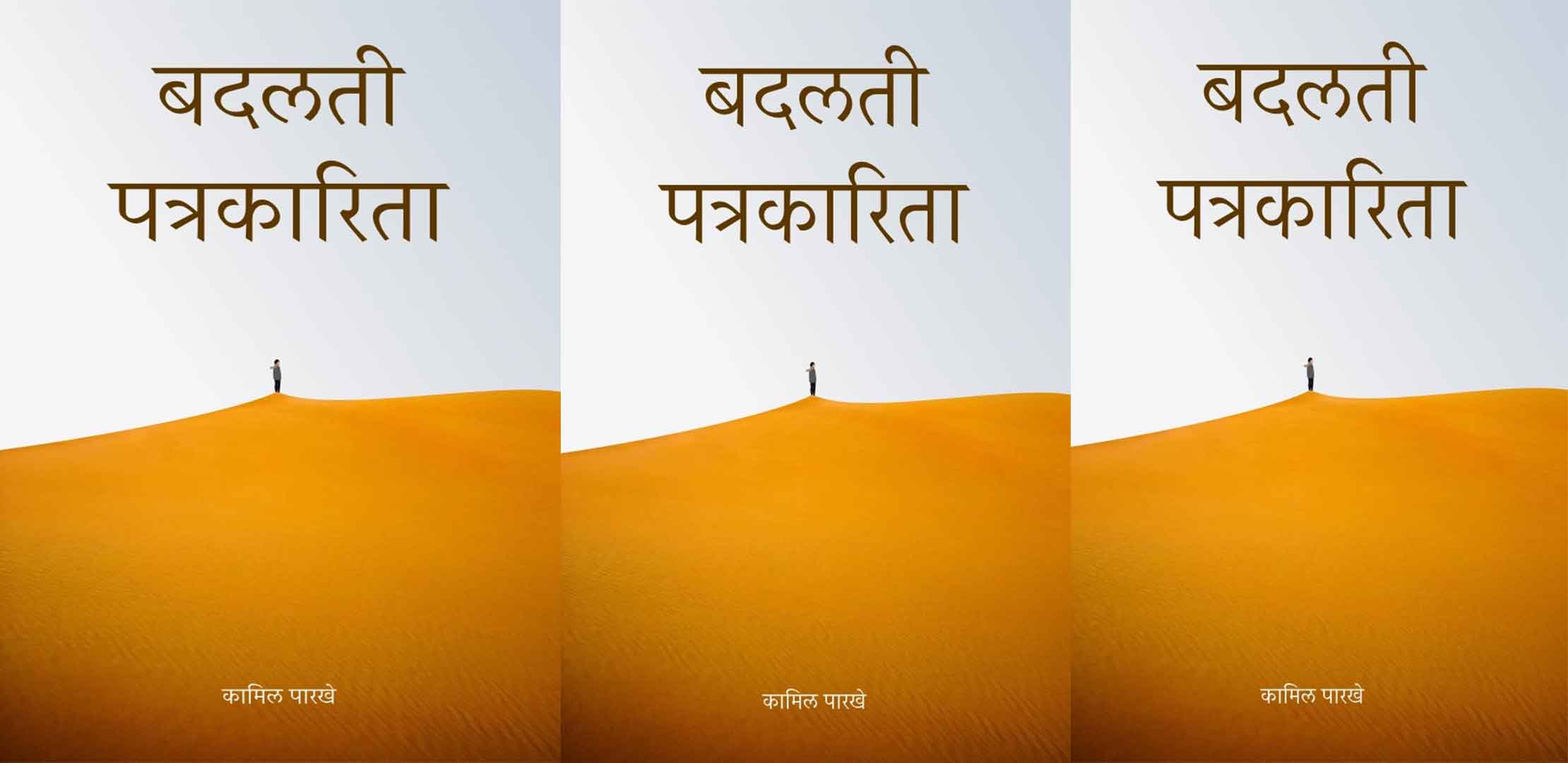
`बदलती पत्रकारिता' हे माझे पुस्तक सुगावा प्रकाशनाने २०१८ साली प्रसिध्द केले त्यात मी अण्णा हजारेंवर एक प्रकरण लिहिले आहे. याच पुस्तकात किरण बेदी यांच्यावर सुध्दा वेगळे प्रकरण आहे.
गेली अनेक वर्षे किरण बेदी यांच्याशी माझा काहीही संपर्क नाही.. पुण्यात असूनही अण्णा हजारे यांच्याशी माझा गेली कित्येक वर्षे काहीही संपर्क नाही. बेदी आणि अण्णांच्या विस्मृतीत मी केव्हाच गेलेलो असणार ..
राष्ट्रीय पातळीवरच्या बातम्यांत किरण बेदी आणि अण्णा हजारे अजूनमधून झळकतात तेव्हा त्या बातम्या विस्तृतपणे वाचण्यात मला अजिबात इंटरेस्ट नसतो.
------

Wednesday, July 29, 2020

A tiff with police officer Kiran Bedi in Goa


I was well settled into the shoes of a crime reporter in The Navhind Times when Kiran Bedi was transferred from Delhi to Goa as superintendent of police (traffic). The year was early 1983. In those days, Goa had very little vehicular movement. Portuguese-built Pato Bridge was the only spot in Panjim where a traffic constable allowed alternate one way traffic on either directions of the bridge while waving a green ‘Go’ and red ‘stop’ signal. The traffic constable surfaced at the centre of the bridge only in morning and evening during the so-called traffic peak hours.
And yet - although traffic movement was insignificant in Goa-, the new traffic SP Kiran Bedi was on an important assignment to this tiny territory. She was sent to Goa on a high profile mission: To coordinate traffic arrangements during the ensuing retreat of the Commonwealth Heads of Government Meet (CHOGM) in Goa. Altogether 39 heads of various nations in the Commonwealth including Commonwealth head Queen Elizabeth II, British Prime Minister Margaret Thatcher, Australian Prime Minister Robert (Bob) Hawke, Zimbabwe president Robert Mugabe were to attend a Commonwealth conference in New Delhi and a subsequent retreat in Goa. Of course, Prime Minister Indira Gandhi as the hostess of this Commonwealth summit would be the most important dignitary, next only to the British monarch. Queen Elizabeth was however slated to return to London soon after attending the New Delhi leg of the meet.
All heads of the Commonwealth states were later scheduled to arrive in Goa for an informal retreat, to hold consultations among each others and possibly arrive at a consensus and also announce a joint declaration. Bedi’s mission was to supervise traffic movements in Goa during the four-day CHOGM retreat.
Our newspaper, The Navhind Times, then had only three reporters -- chief reporter, a senior reporter and I, the junior reporter . Crime was one of the many beats I handled. As a crime reporter, there was never an occasion for me in the past to meet the traffic head in Goa police headquarters in Panjim. After Bedi’s arrival and in view of her assignment, frequencies of my visits to her cabin on the first floor of the Goa Police headquarters increased. She had only a few months for preparing for the prestigious CHOGM retreat.
The first woman to join the Indian Police Service, Bedi had efficiently handled her responsibility in the traffic department during the Ninth Asian Games in Delhi. During the preparations for this prestigious event, Bedi had earned the nickname Crane Bedi as she had towed away vehicles of the mighty, including an official attached to the office of Prime Minister Indira Gandhi, from no-parking zones.
But I who was then still studying for my postgraduate degree and was only 23 did not know who Bedi was or her career background. Nor did I care. To be frank, I did not realise that I was in company with an extraordinary, albeit a very junior then, government official. Therefore I was not at all awed by her personality or career background. For me, a reporter of a leading and the only English daily in Goa, she was just another government officer. Bedi who was then in her early 40s called me by my first name and treated me with respect due to a journalist.
I was used to interact with young, probationer officers of the Union Public Service Commission (UPSC) who were appointed as directors of various government departments in Goa, Daman and Diu Union Territory. I found these young officers were sharp, talented and innovative. A young officer J.P. Singh with whom I interacted often as he was Goa Education Director had recently taken over as Goa District Collector. (A few years back, he retired as Goa State Chief Secretary.) I looked at Bedi just one of such bright UPSC officers, not great or very extraordinary… Soon I found that she was a no-nonsense officer and totally committed to her work. And she would not tolerate anyone's dereliction of duty.
As the dates for the retreat started approaching, Bedi started conducting drills for the VVIP event. The heads of the states were to arrive from Delhi at Dabolim airport and from there, a few of them were to be flown by helicopters to the newly established Fort Aquada Taj Village, the venue of the CHOHM retreat. Many other heads of the states were to travel by roads to the venue. And this was most crucial. Bedi had started making meticulous arrangement for smooth traffic movement from Dabolim airport to Fort Aquada Taj Village. The route of the VVIP motorcades was to include Dabolim, Cortalim, Agassaim, Pilar, Merces, Santa Cruz, Rua de Ourem along the Pato creek, Pato Bridge and then towards Fort Aquada Taj Village.
By the way, this small 400 year-old-Pato bridge of not more 300 meters length and constructed by the Portuguese was then the only link connecting north Goa to Panjim. All vehicles crossing the lone Nehru bridge (which collapsed a couple of years after) over Mandovi river and those arriving from Ribandar-Old Goa had to cross this small Pato bridge to enter Panjim.
Soon I started accompanying Kiran Bedi in her new white Gypsy as she conducted a recce of the traffic movement from Dabolim airport to Fort Aquada Taj Village. Bedi used to sit on the front seat near the jeep driver while I, along with a traffic police constable with a heavy walkie talkie machine set, used to sit behind. While on the move, with the walkie talkie instrument in her hands, Bedi used to be constantly issuing instructions: “This is Charlie One to Charlie Two.. …. Charlie Three Move ahead…Turn right…Charlie One Over…’’
The CHOGM summit being a very high security event, government offices, schools and colleges all over Goa were ordered to be closed for three days to minimise people's presence on any streets. The crime and special branches of Goa Police increased vigilance on the VVIP route. As a crime reporter, I was regularly handed over press notes issued by the Goa Police regarding instructions and restrictions to be followed during those four-day VVIP retreat.
The construction of a bridge over Zuari river connecting Agassaim from Panjim side and Cortalim from Margao-Vasco sides was completed by this time. One morning, people in Goa realized that the bridge over Zuari was thrown open to vehicular movement, sans any formal inauguration by a VIP. One had to thank Goa Deputy Superintendent (Traffic) Kiran Bedi for this ! That is the reason why this bridge, the only link connecting north and south Goa, is rightly named after Zuari river, and not after a political leader. Until the opening of the Zuari Bridge, all people travelling from Panjim to Margao and Vasco or vice versa in buses or private vehicles had to alight from their vehicles at either Agassaim or Cortalim and get into waiting ferryboats along with their vehicles to cross over to the other bank of Zuari river. The opening of Zuari bridge had eliminated a major traffic problem for Kiran Bedi at the Cortalim junction. Now she could arrange uninterrupted movement of the VVIP motorcades straight from Dabolim airport to Fort Aquada Taj Village.
And one day, Kiran Bedi gave me a press note regarding traffic restrictions and changes in Goa during the Commonwealth retreat. As a routine affair, I published the press note. The next day when I met Bedi at her cabin, she asked me to repeat the same press note on the next two consecutive days. I just laughed at her suggestion and told her that newspapers never publish the same press note twice. I told her the same press note can appear umpteen number of times but only as an advertisement.
Bedi pondered for a minute and said.. ‘ Camil, in that case, I’d like to have a word with Bikram..” Again I laughed. The `Bikram’ she was referring to was obviously Bikram Vohra, my boss and editor of The Navhind Times. Having spent nearly three years in the profession , I knew no newspaper in the world would ever publish the same press note or news item three consecutive days. Unless there were some changes or corrections. But Bedi was adamant. ‘Camil, let’s go to your newspaper office right now. Come..” Despite my protests, she grabbed my arm and led me to climb down the red carpet-laden wooden stairs of the police headquarters. I had no option but to get into her Gypsy which straightaway headed towards our newspaper office – located near the Panjim Market and hardly 400 meters away from the police headquarters.
Everyone in the newspaper office stared at the smart woman police officer in uniform with a baton in her hand walked confidently on the wooden floor of the one storeyed tiled-roof newspaper office. I walked hesitantly along with her. There was no need to introduce her, people in Goa by now knew Police Officer Kiran Bedi. A former national tennis player, Bedi, mother of a daughter, had maintained herself well.
'Ki Khabar ?,' was our editor Bikram Vohra’s elated greeting to her as he immediately rose from his seat to welcome Kiran Bedi. I was left astonished when both of them started speaking in Punjabi mixed with English. Although in a very prominent position, editor Vohra was just a few years older to me and had not yet crossed his 30s and was thus was 10 years younger to Bedi. I should have foreseen this, they knew each other so well, I cursed myself. But now it was too late. I realised I was going to lose this battle. I was sure that the editor will now let me down and let Kiran Bedi have her way.
I was left sulking when as expected, editor Vohra without any hesitation agreed to Bedi’s request. “Okay, done ! Camil, repeat that copy next two days and ensure with the desk to carry it on top of the page three…” After this, Vohra and Bedi continued talking on other subjects as I quietly sneaked into the reporters room. Some time later, the editor came to see off Bedi till the staircase and from there, as a courtesy I accompanied her climbing down the steps and upto her jeep on the road. My face had fallen but Bedi did not exhibit any signs of victory.
Crestfallen, I then approached the editor to register my protests. But he was very kind and jovial when he replied to me. "Come on, Cami. Be a sport, have a heart!,” that was typical Bikram Vohra when he tried to persuade someone with his viewpoint. “Camil, take a note of what I am saying.. It's not very often that Prime Minister Indira Gandhi, British Premier Margaret Thatcher, Bob Hawke and several other presidents, premiers and statesmen come for a retreat in Goa. It is an international event and as an exception, we need to repeat the same news for security and other reasons. It is a very high profile and VVIPs event in Goa and mind you, you are very lucky, privileged to cover it and you'll remember it in your career. Besides, in your journalist career, you would very, very rarely come across an officer as charismatic as Kiran Bedi. She’s doing a great job, Camil. Let's give her some concessions! Have a heart, young man ! Camil, be a sport !”
The CHOGM summit was over successfully. Soon Kiran Bedi left Goa to join a new posting in other part of the country. The nation has since then watched her career graph to this date with a keen interest. A couple of years later, Bikram Vohra left for a journalism career in the Gulf where he continues to be even today. Later I too left Goa and pursued a career in English national newspapers.
Nearly four decades after the CHOGM incident, I have to admit that my first editor was very right in his statement as also his judgment.

Monday, June 29, 2020

BBC news: Prime Minister Indira Gandhi defeated in Raebareli

BBC news: Prime Minister Indira Gandhi defeated in Raebareli
A few weeks after the Emergency was imposed, the situation was back to normal in the country. I, like most people in the country, was very Indignant that most political leaders opposed to the Congress and Prime Minister Indira Gandhi were imprisoned. The situation in the country had been very volatile for more than a year as a result of the students’ agitation in Gujarat and Bihar, the George Fernandes-led nationwide railway strike and the agitation led by Socialist leader Jaiprakash Narayan. The Allahabad High Court’s ruling disqualifying Prime Minister Indira Gandhi as Raibereli MP had come as the last straw on the camel’s back.
Although I was then only a 10th standard student, I shared the people’s anger towards the Congress and Indira Gandhi. The atmosphere in the country at that time was surcharged. Indira Gandhi who realised that the situation was getting out of her control had imposed the Emergency on June 25, 1975, put all her political opponents into prisons. Soon peace was established in the country with no murmur of protests anywhere.
As people turned to pay attention to the issues of their daily livelihood, I too had turned to my SSC board examination studies. And there was hardly anything interesting or sensational matter in newspapers those days. After passing the SSC examination, I moved to Karad in Satara district for following my religious vocation as a priest and further studies. Incidentally Tilak High School in Karad where I took admission for standard 11th was the alma matter of then Union Minister Yashwantrao or Y. B. Chavan. A bust of this great son of the soil minister was erected at the school campus.
The political atmosphere in Karad was as peaceful as in the rest parts of the country. Prime Minister Indira Gandhi concluded that the political situation was most conducive for her party to hold the already delayed general elections. Eighteen months after the promulgation of the Emergency, Gandhi in January 1977 relaxed restrictions of the Emergency. General elections were announced, followed by release of almost all opposition leaders except George Fernandes who was implicated in the Baroda dynamite case.
And at once, all hell broke loose. Newspapers who had last one and half years were totally submissive to the government administration and the censor officials immediately found their lost voice. The government administration and especially the Congress party was treated as a villain and all those who were being released from prisons including the Rashtriya Swayamsevak Sangh functionaries overnight turned heroes. The released politicians who travelled to their home towns were garlanded on arrival at railway stations. Such was the euphoria created all over the country and I too was affected by it.
The country was gripped by an election fever it had never experienced before. Karad was the Lok Sabha constituency of Premalakaki Chavan, mother of former Maharashtra chief minister Prithviraj Chavan, She had been representing Karad since 1973 bypoll, following death of her husband and Union minister of state Anandrao Chavan. Satara was the parliamentary constituency of Union Minister Yashwantrao Chavan. Although both Chavans, not related to each other, were strong contenders for the two parliamentary seats, the left-oriented Peasants and Farmers Party (PWP) or the Shetkari Kamgar Paksha unexpectedly found popular support of youths and others. I too had actively participated in the PWP’s many election rallies.
At the fag end of the high pitch election campaign, I heard Yashwantrao Chavan addressing a few corner meetings in Karad, his home town. There was no stage or even a pandal erected for the election meeting. The dhoti-clad and Gandhi cap wearing Foreign Affairs Minister had absolutely no body guards around him as he addressed the poll meeting in one of the Peths in Karad. (Karad town located on the confluence of Krishna and Koyna rivers has, like Pune, residential areas named as Guruwar Peth, Shukrawar Peth etc. ) There were hardly 200 people at each poll meeting.
The elections in the country took place peacefully from March 16 to 19. Being a minor, I was not a voter. Those days, 21 years was the qualifying age to be a voter. ( Some years later, Rajiv Gandhi lowered the qualifying age for voters to 18).
The counting of votes was to be held on March 20, 1977. On March 19 night, along with other other PWP supporters, I travelled in a truck from Karad to Satara district headquarters to be the Peasants and Farmers Party’s polling agents at the votes counting process. As we entered the especially erected pandal in Satara at 7 am, no one sought our credentials. It did not matter that as a minor, I was not even a voter. The ballots boxes were first opened, ballots of each candidates were segregated and the actual counting of votes began only around 11 am and continued till late night.
We the Peasants and Workers Party supporters had never expected miracles , that is, poll victories either in Karad or Satara seats. The voting trends favouring the Congress nominees in Karad and Satara therefore did not surprise or demoralise us.
At around past midnight, perhaps at 2 pm, the bomb shell came and it suddenly changed the atmosphere in the pandal.
Someone had broken the news that the British Broadcasting Corporation or the BBC had just announced that Prime Minister Indira Gandhi was defeated in her Raibereli constituency ! Her son, Sanjay Gandhi, too had met the same fate in the neighbouring Amethi constituency.
One can just imagine the excitement this news must have generated among us Janata Party supporters at the site !
There were shouts, screaming and dancing at the open space in the pandal. And no government officials objected to it. The news of poll defeat of the prime minister, the first in the country’s history, was too stunning !
A pall of gloom had descended on the large number of Congress supporters present at the pandal although the party’s both candidates in Satara district, Y. B. Chavan and Premalakaki Chavan were elected with huge margins of votes. Premalakaki in fact polled the highest number of votes among the Congress nominees in Maharashtra, next followed by Yashwantrao Chavan.
We heard bursting of fire crackers outside the pandal, the celebrations of course were not of the Congress but of the Janata Party supporters. The news of the prime minister’s defeat and victory of the Janata Party in most parts of the country had obviously spread like wildfire.
Before dawn, we travelled back from Satara to Karad in the same truck with the celebrations and excitement continuing during the hour-long travel.
The next day, Prime Minister Indira Gandhi tendered her resignation to the President but not before she had fully lifted the Emergency. She would not give the credit of lifting the Emergency to her successor.
The country had successfully emerged out of its darkest political era, so we thought. It had taken quite a long time for me to bring my feet on the ground.
The political drama, nautaki or tamasha and infightings that followed among Janata Party leaders during the next few days to be the next prime minister was too unnerving for me and all the people who had believed that the poll verdict had ushered in a new era of freedom and democracy.
There was a tough contest among Morarji Desai, Charan Singh and Jagjivan Ram to don the prime minister’s mantle. This forced Jaiprakash Narayan and Acharya J.B. Kriplani to huddle up all the warring contenders to swear before the statue of Father of the Nation that they will behave properly.
They did not.
Not long after, an evening in December 1979, I saw former prime minister Indira Gandhi getting out of a car parked outside Hotel Mandovi in Panjim. She was on a hectic parliamentary poll campaign. I, then studying in final year of my BA degree course in Dhempe College, was among 50 odd people standing there.
During those days, there was no trolling – paid or unpaid – of the present social media era. Nonetheless, in the history of independent India, post- Emergency, Indira Gandhi was the most hated and disgraced politician who was shunned by one and all. Out of power and hounded by the vindictive Janata Party government, almost her all party lieutenants including by Y. B. Chavan, S. B. Chavan and also Balasaheb Vikhe Patil had deserted her. Premalakaki Chavan, the MP from Karad, had however firmly stood by her Gandhi had no funds to travel by planes or chartered helicopters and was forced to travel by road for many hours during the election campaign. Now in Panjim, she had just arrived from Karnataka by road.
For a few seconds, I observed her from a very close distance. A frail old woman with a printed saree, Indira Gandhi did not seem to have given up. Only a decade back, then Bharatiya Jan Sangh leader Atal Bihari Vajpayee had described her as Durga. I noticed this time, Indira Gandhi did not have her trademark of the white streak in her hair. Although she covered her head with the saree, the fully grey hair locks were visible. Obviously she had little time for make up during the hectic poll campaign.
As she got out the car, Gandhi turned to us assembled people, smilingly did a quick Namaste with raised folded hands and made an about turn to climb the few steps of the hotel entrance in her usual brisk walking style. That impression of Indira Gandhi is still afresh in my mind. Half an hour later, I was at the Campal ground near Miramar to hear her speech.
In her half an hour long speech delivered in her shrill voice, Indira Gandhi tore her political opponents into pieces. As was her wont, Gandhi never took name of her political opponent in her speech. She would refer to them as `Vipaksha Ke Lok’, `some people’, or as `some politicians’ She was not a great orator but was convincing about she said. Now 40 years later, I can still recall how she assailed the government’s mismanagement and infightings. Her answer to the present crisis was very loud and clear : Only I can save nation !
For me, it was a long and memorable sojourn for me from Shrirampur when on June 27, 1975, I heard that Emergency was imposed in the country. Then that day, March 20 midnight 1977 in Satara when we Janata Party supporters celebrated Indira Gandhi’s defeat in the Lok Sabha poll. And here now in Panjim in December 1979, I was lapping up every word of her poll speech !
My political transition was astonishing even to myself. Thanks to the mismanagement of the Janata Party governments, first led by Morarji Desai and then by Charan Singh, the people in the country too had undergone such a political transition.
No wonder, a weeks later, in early January 1980, Indira Gandhi romped back to power, winning much more Lok Sabha seats than she had ever won before.
A post script
A few years later, in 1983, I had another encounter with Indira Gandhi. Now she was India’s Prime Minister and also the hostess of the Commonwealth conference and a retreat first held in New Delhi and later at Fort Aquada resort in Goa. Now I was a reporter of The Navhind Times in Goa, covering some aspects of the Commonwealth Heads of Government Meeting (CHOGM) retreat. I had accompanied Kiran Bedi, then deputy superintendent of police (traffic),many times in her Gypsy jeep from Daboli airport to Fort Aquada resort, as she with a heavy walkie talkie machine set, conducted reccee of the VVVIP travel arrangements.
As Gandhi played the role of hostess to 39 heads of Commonwealth states including British Prime Minister Margaret Thatcher, Australian Prime Minister Bob Hawke, and Zimbabwe President Robert Mugabe, for security reasons, we reporters had absolutely no chance even to have a glimpses of theese VVIPs, let alone interact with any of them. All of us journalists, the international press included, were dependent on the daily press briefings by the then Commonwealth general Secretary and spokesperson Shridatt Ramphall.
But it was a most memorable event in my journalistic career. The fact that only recently I had watched Indira Gandhi from a close distance was always at the back of my mind when I covered this high profile international event.

Wednesday, April 1, 2020

पत्रकारिता कशी कशी बदलत गेली, प्रस्तावना...मुकेश माचकर


पत्रकारिता कशी कशी बदलत गेली, हे सांगणारा एक अंत:प्रवाह या लेखनातून राजापूरच्या गंगेसारखा सुप्तपणाने वाहताना दिसतो!

https://www.aksharnama.com/client/trending_detail/4109

ग्रंथनामा - झलक
मुकेश माचकर
  • ‘बदलती पत्रकारिता’ या पुस्तकाचे मुखपृष्ठ
  • Fri , 20 March 2020
  • ग्रंथनामाझलकबदलती पत्रकारिताकामिल पारखे
ज्येष्ठ पत्रकार कामिल पारखे यांचे ‘बदलती पत्रकारिता’ हे पुस्तक नुकतेच सुगावा प्रकाशनातर्फे प्रकाशित झाले आहे. बदलत्या पत्रकारितेतील काही वाटा-वळणं या पुस्तकात पारखे यांनी टिपली आहेत. या पुस्तकाला पत्रकार, संपादक आणि स्तंभलेखक मुकेश माचकर यांनी लिहिलेली ही प्रस्तावना...
.............................................................................................................................................
‘बिगुल’ या मतपोर्टलचा संपादक म्हणून काम पाहात असताना गेल्या वर्षी २८ मे रोजी मित्र आणि पत्रकार कामिल पारखे यांचा मॅसेंजरवर निरोप आला. त्यांच्या मितभाषी स्वभावाला अनुसरून एवढंच लिहिलं होतं, ‘माझ्याकडे मराठीत एक लेख आहे, तुझा ई-मेल आयडी कळव. तुला पाठवायचाय.’
‘पत्रकारितेतील राशीभविष्य आणि मटक्याचे आकडे’ हा तो लेख वाचला आणि खाली कामिल पारखे हे नाव वाचून उडालोच... मी पत्रकारितेचं प्रशिक्षण घेत असताना कामिल पुण्यात इंग्रजी दैनिकात पत्रकारितेत नाव कमावून असलेले वार्ताहर होते. ते मराठी बोलतात हे पाहिलं होतं, पण त्यांचा त्याआधीचा पत्रकारितेतला प्रवास ज्ञात नव्हता. त्यामुळे ते मराठी लिहितात याची कल्पना नव्हती. अतिशय सुगम आणि थेट भाषेत लिहिलेला हा रसाळ लेख पाहून कामिल यांची मराठी भाषेवरही उत्तम पकड आहे, याचा माझ्यापुरता साक्षात्कार झाला आणि त्यांना ‘मराठीत आणखी लिहा,’ असं कळवलं. छापील पत्रकारितेध्ये ९०च्या दशकापर्यंत वावरलेल्या पत्रकारांना अतिशय परिचयाचा असलेला दैनंदिन राशीभविष्याच्या दैनंदिन फिरवाफिरवीचा आणि कल्याण बाजार, सोने-चांदी, शुभांक अशा सांकेतिक शीर्षकांखाली दिले जाणारे मटक्याचे आकडे यांचा अतिशय खुमासदार आणि नाट्यमय आढावा त्या लेखात घेतला होता. त्या काळात पुण्यातल्या एका प्रख्यात, ऐतिहासिक दैनिकामध्ये आदल्या रात्रीच्या अंकात थोडा फेरफार करून सकाळी ११ वाजता एक आवृत्ती टपालाने बाहेरगावी रवाना केली जायची. तिला ‘एम’ एडिशन म्हणायचे, म्हणजे ‘मेल एडिशन-टपाल आवृत्ती’. प्रत्यक्षात तिच्यातला ‘एम’ हा मटक्यातला होता, हे गुपित सर्वांनाच ठाऊक होतं- त्याची आठवण करून दिली या लेखाने.
हा लेख ‘बिगुल’वर प्रसिद्ध झाला आणि त्याला वाचकांचा उदंड प्रतिसाद मिळाला. छापील माध्यमांच्या, खासकरून वर्तमानपत्रांच्या सुवर्णकाळात वाचकांचं वृत्तपत्रांशी एक खास नातं जडलेलं होतं. सकाळच्या चहाला किंवा इतर आन्हिकांना ताज्या वर्तानपत्राची जोड नसली तर दिवस सुरूच व्हायचा नाही अनेकांचा. त्या काळातल्या वर्तमानपत्रसृष्टीविषयी, तिच्यातल्या माणसांविषयी, पत्रकारांविषयी आदरयुक्त कुतूहल असायचं वाचकांमध्ये. कामिल यांच्या लेखाने त्या वाचकांना त्या काळात नेलं, पत्रकारांना त्यांच्या उमेदवारीच्या दिवसांतल्या अनेक मजेशीर गोष्टींची आठवण करून दिली आणि या काळाची काहीही माहिती नसलेल्या नव्या पिढीच्या पत्रकारांना जुन्या काळाची ओळख करून दिली.
या लेखाच्या प्रतिसादानंतर कामिल यांनी उत्तमोत्तम लेखांचा धडाकाच लावला. मॅसेंजरवर ‘मुकेश प्लीज चेक मेल,’ असा संदेश यायचा. ते मेल तत्काळ उघडून आधी लेख वाचून काढायचा, कामिल यांच्यासोबत त्या काळाची, त्या गावाची फेरी मारायची, त्यांच्या लेखातल्या व्यक्तिरेखांना भेटायचं आणि मग तो पुढच्या सोपस्कारांसाठी पाठवायचा, असा नित्यक्रम होऊन बसला. ‘आमची कॉम्रेडगिरी’, ‘अनुभवलेले पु.ल.’, ‘तीन दशकांतले अण्णा’, ‘पत्रकारितेतील स्त्रिया’ असे अनेक लेख ‘बिगुल’वर छापले गेले आणि सुजाण वाचक त्यांच्या लेखांची वाट पाहू लागले, तसं कळवू लागले.
त्यांनी वेळोवेळी बिगुलवर आणि अन्यत्र लिहिलेल्या, ब्लॉगवर संग्रहित केलेल्या माहितीपूर्ण आणि रसाळ लेखांपैकी काही वेचक लेखांचा हा संग्रह आहे.
कामिल हे खरंतर मिशनरी सेवाव्रती होण्यासाठी महाराष्ट्रातून गोव्याला गेले होते. तिथे त्यांनी कालौघात वेगळाच एक धर्म आत्मसात केला, पत्रकारितेचा- आणि त्यात ते मिशनरी वृत्तीनेच वावरले आहेत. संवादसाधनांची कमतरता असलेल्या आणि टीव्ही पत्रकारितेच्या कल्पनेचाही जन्म होण्याच्या आधीच्या काळात वर्तानपत्रांचे बातमीदार प्रत्यक्ष घटनास्थळीही जात असत. आजकाल काही ठिकाणी वर्तमानपत्राचा बातमीदार दिसला, तर लोक आपत्ती विसरून आणि वेळात वेळ काढून त्याचा सत्कार करतील, इतकी मोबाइल आणि व्हॉट्सअ‍ॅप पत्रकारिता बोकाळलेली आहे.
टीव्हीवर बातमी पाहून त्यावरून लिहून काढणे किंवा सरळ इतर वर्तमानपत्रांच्या वेबसाइटवरून बातम्या उचलून त्यांची चतुर फिरवाफिरव करणे, हे आजकाल वार्ताहर आणि उपसंपादकांचं काम होऊन बसलेलं आहे.
अशा वेळी गोव्यासारख्या सुशेगाद राज्याची पेंग उडवणारी ‘चार्ल्स सोबराजला अटक’ ही घडामोड सर्वांच्या आधी टिपण्यासाठी कामिल आणि त्यांच्या सहकाऱ्यांनी केलेला आटापिटा वाचताना वाचकाला धाप लागते. दहावी-बारावीचे निकालही जेव्हा वर्तमानपत्रांध्ये छापून येत आणि राज्यात कोण पहिला आलाय, हे त्या विद्यार्थ्याच्या आधी वार्ताहरांना कळत असे. त्या काळात गुणवान विद्यार्थ्यांना भेटून, ‘अरे तू पहिला आला आहेस’, असं आपणच सांगून त्यांच्या मुलाखती घेण्याचा अनुभव कामिल यांनी झकास रंगवला आहे. त्यात वार्ताहरांची सरबराई काही वेळा थंडगार बियर आणि केकने होत असे, हे वाचून मराठी वार्ताहरांना गोव्यातल्या वार्ताहरांचा हेवा वाटेल.
ज्या काळात आजच्या घटनेचा फोटो दोन दिवसांनी छापून यायचा, त्या काळात प्रिन्स चार्ल्स आणि डायना यांच्या विवाहाचे फोटो तत्काळ मिळवण्यासाठी ‘नवहिंद टाइम्स’चे तत्कालीन संपादक बिक्रम व्होरा यांनी ते टीव्हीवरून टिपण्यासाठी लढवलेली युक्ती, सुप्रिया सुळेंच्या लग्नाच्या फोटोसाठी आवश्यक यंत्रणाच बारामतीला नेण्याची ‘इंडियन एक्स्प्रेस’ने लढवलेली युक्ती यांसारख्या प्रकरणांधून पत्रकारितेतल्या वाचकांना स्मरणरंजनाचा आनंद मिळेल आणि अन्य वाचकांना थरारक रंजनाचा.
अशीच गंमत पत्रकारितेतल्या बदलत्या तंत्रज्ञानाचा माहितीपूर्ण आढावा घेणारा लेख वाचतानाही येते. पत्रकारितेचा बाकीचा प्रवास कुठून कुठे झाला आहे, हे सुजाण वाचक जाणतातच. तांत्रिक प्रवास मात्र अज्ञात असतो. त्यावर हा लेख प्रकाश टाकतो. पत्रकारितेतल्या महिला सहकाऱ्यांविषयी त्यांनी कौतुकपूर्ण आदराने लिहिले आहे.
पत्रकारांविषयी, खासकरून वार्ताहरांविषयी समाजात फार कुतूहल असतं, ते त्यांना थोरामोठ्यांचा सहवास सतत लाभत असतो म्हणून. राजकीय नेत्यांमध्ये सगळ्या बातमीदारांची उठबस असते, त्यांचा व्यक्तिगत परिचय असतो, याचं वाचकांना फार अप्रूप असतं. राजकीय-सामाजिक नेत्यांची मुलाखत घेण्याची, त्यांच्याबरोबर काही काळ व्यतीत करण्याची आणि त्यांचा प्रवास टिपण्याची संधी कामिल यांनाही मिळालेली आहे. त्यातून त्यांनी पंतप्रधानपदाचे दावेदार म्हणून निवडणूक लढवणारे ज्येष्ठ नेते शरद पवार यांची विमानतळापर्यंतच्या प्रवासात मिळवलेली मुलाखत, तत्कालीन पंतप्रधान विेशनाथ प्रताप सिंह यांची विमानतळावरच्या कक्षात मिळालेली एक्स्क्लुझिव मुलाखत, अण्णा हजारेंच्या राजकीय प्रवासावरचं टिपण (त्यात अण्णा हे पहिल्यापासून कसे ‘मीडिया सॅव्ही’ आहेत, हे कामिल यांना कसं लक्षात आलं तो प्रसंग मुळातून वाचण्यासारखा) आणि किरण बेदींच्या आग्रहामुळे पत्रकारितेचे संकेत बाजूला ठेवून एकच बातमी तीन दिवस लावण्याचा प्रसंग ही प्रकरणं आकाराला आली आहेत.
अनौपचारिक गप्पांध्ये, ऑफ दी रेकॉर्ड व्यक्त केलेल्या मताची बातमी झाल्यामुळे अतिशय प्रतिष्ठित आणि विद्वान राजकारणी असलेले नेते सी. सुब्रम्हण्यम यांच्या कारकिर्दीची दुर्दैवी अखेर कशी ओढवली, ही हकीकतही धक्कादायक आणि रोचक आहे. कामिल यांनी काही निवडणुकांमधल्या वार्तांकनाच्याही आठवणी मांडल्या आहेत.
महाराष्ट्राचं लाडकं व्यक्तिमत्त्व असलेल्या पु. ल. देशपांडे यांचं गोयंकरांवर केवढं गारुड होतं, याचं दर्शन कामिल यांनी दूरस्थपणे घडवलं आहे. मात्र, पुलंच्या निधनाची बातमी पहिल्या पानावर न छापण्याच्या ‘टाइम्स ऑफ इंडिया’च्या निर्णयामागे त्या वर्तमानपत्राचे मराठी संपादक दिलीप पाडगावकर यांचाच आग्रह कसा होता, ही माहिती वाचकांना थक्क करून सोडते. लोकांना रोज ‘गूडमॉर्निंग न्यूज’ द्यायची, नकारात्मक बातम्यांनी त्यांचा सकाळचा चहा खराब करायचा नाही, अशा व्यापारी कल्पनांधून निघालेल्या टाइम्सच्या नवपत्रकारितेच्या नियमांनुसार नामवंत व्यक्तीच्या निधनाची बातमी आत छापायची, बाहेर आठवणींना उजाळा देणारा एखाद्या सेलिब्रिटीचा लेख छापायचा, हा नियम तयार झाला होता. त्यात पुलंसाठी अपवाद करण्याची पाडगावकरांची तयारी नव्हती.
आता हे औद्धत्य म्हणायचं की शुद्ध व्यावसायिक पत्रकारितेचं ब्रीद, हे सांगणं अवघड आहे. असाच एक नैतिक पेच दैनंदिन राशीभविष्य नावाची फेकाफेक आणि मटक्याचे आकडे छापण्याच्या संदर्भात पडतो, पण पगाराचं काम म्हटल्यावर ते केलंच पाहिजे, अशा सोयीने तो सुटतो. वर्तमानपत्राच्या छापील किमतीला काही व्यावहारिक ‘किंमत’ असण्याचा काळ संपत गेला,
पत्रकारिता जसजशी जाहिरातदारांच्या कह्यात गेली आणि नंतर सर्वांत मोठा जाहिरातदार बनलेल्या सरकारच्या हातात गेली, तसतसे पत्रकारितेच्या ब्रीदात काय बदल घडत गेले असतील, त्याचं दिशादिग्दर्शन या लेखातून होतं.
या लेखनप्रपंचात कामिल यांनी त्यांच्या पत्रकारितेच्या कारकिर्दीच्याच नव्हे, तर जन्माच्याही खूप आधी घडलेल्या पंचहौद मिशनच्या चहापानाची अर्थात ग्रामण्यवादाची रंजक आणि बोधपूर्ण हकीकत सांगितली आहे. गोपाळराव जोशी या उपद्वपी गृहस्थाने लोकमान्य टिळक, न्यायमूर्ती रानडे यांच्यासह पुण्यातल्या मान्यवर नागरिकांना पंचहौद मिशनमध्ये व्याख्यानाच्या मिषाने बोलावून चहा-बिस्कीटं खायला लावली आणि नंतर त्याची बोंब मारून लोकमान्यांवर प्रायश्चित्त घेण्याची वेळ आणली, ही गोष्ट त्यांनी पत्रकारितेच्या दृष्टिकोनातून मांडली आहे. आणीबाणीच्याही काळात कामिल सक्रिय पत्रकारितेत नसले तरी देशात काय घडतं आहे, हे टिपण्याच्या वयाचे होतेच.
वाचनातून, मोठ्या माणसांच्या बोलण्यातून त्यांनी आणीबाणीची तुलनेने अपरिचित बाजू पुढे आणली आहे. आणीबाणीमुळे व्यक्तिस्वातंत्र्याचा आणि अभिव्यक्तिस्वातंत्र्याचा संकोच झाला, बाबूशाहीच्या वरवंट्याचा अतिरेक झाला, हे तर खरेच- त्यातूनच इंदिरा गांधींना निवडणुकीत भुईसपाट व्हावं लागलं, पण आणीबाणीत सरकारी कार्यालयं वक्तशीरपणे चालू लागली, लाच न देता कामं होऊ लागली. अशा प्रकारच्या सामान्यजनांना सुखावणाऱ्या बदलांच्या ‘अनुशासनपर्वा’ची दखल फारशी घेतली जात नाही. ती कामिल यांनी घेतली आहे. आणीबाणीमुळे लोकांच्या तिरस्काराच्या धनी झालेल्या आणि आर्थिक बळाविना निवडणूक लढवणाऱ्या इंदिरा गांधींनी हिमतीच्या बळावर आणि जनता पक्षाच्या नादानीमुळे कसा जोरदार कमबॅक केला, हेही त्यांनी एका प्रकरणात नमूद केलं आहे.
साधारणपणे पत्रकारांना दीर्घलेखनाचा कंटाळा असतो आणि त्यांची पुस्तकं प्रकाशित होतात ती आधी वर्तानपत्रात लिहिलेल्या लेखांच्या, सदरांच्या संग्रहाच्या स्वरूपातली असतात. खरं तर अनेक वार्ताहर वर्षानुवर्ष एकेका बीटवर काम करतात म्हणजे एकेका क्षेत्रातल्या बातम्या गोळा करतात. त्या कार्यकाळात त्यांच्याकडे अनुभवांचं, किश्शांचं भांडार जमा होतं, काहीएक अंतर्दृष्टी तयार होते. त्यातला ७० टक्के भाग हा बातम्यांबाहेरचा असतो. त्या खजिन्यातल्या ऐवजाची थोडी लक्षपूर्वक मांडणी केली, तर त्यातून त्या त्या क्षेत्रावर क्ष-किरण टाकणारी उत्तम ग्रंथसंपदा तयार होऊ शकते, पण तसं फारसं होताना दिसत नाही. माहितीचं अद्ययावतीकरण, दीर्घ लेखन, बैठक मारून, मांड जमवून पुस्तकाचा दमसास अवगत करून लिहिणं, या सगळ्याचा कंटाळा, हे याचं कारण असावं.
पत्रकारांचं अनुभवकथन, हा जो दुसरा प्रकार आहे, त्यात कामिल यांच्या या पुस्तकाचा समावेश करावा लागेल. अशा पुस्तकांच्या बाबतीत ‘मी’पणाची लांबण आणि पाल्हाळिक तपशिलांची भरमार होण्याचा धोका संभवतो. शिवाय अशा लेखनात समकालीनता हरवण्याचीही शक्यता असतेच. कामिल यांनी आजवरच्या प्रवासातल्या अनुभवांनाच शब्दरूप दिलं असलं तरी इंग्रजी पत्रकारितेच्या नेमकेपणाच्या, नेटकेपणाच्या अट्टहासामुळे त्यांनी या अवगुणांची बाधा त्यांच्या लेखनाला होऊ दिलेली नाही.
या पुस्तकात त्यांनी काही व्यक्तिरेखांच्या अंगाने लिहिलेले लेख आहेत, काही घटनाप्रधान आहेत आणि काही पत्रकारितेच्या तांत्रिक-आशयात्मक प्रवासाचा आढावा घेणारे लेख आहेत. त्यातल्या अनेकांमध्ये साक्षीदार म्हणून किंवा त्या प्रसंगात सहभागी असलेले पत्रकार म्हणून खुद्द कामिल यांची उपस्थिती आहे, पण ती जाणवतही नाही तिथे खुपेल कशी? चांगला बातमीदार बातमीत दिसत नाही, वाचक आणि बातमीचा आशय यांच्यामध्ये लुडबूड करत नाही, असा संस्कार कटाक्षाने पाळण्याच्या काळातले ते पत्रकार आहेत. या काळात लेखांध्येही अनावश्यक ‘मी’ आला असेल, तर उपसंपादकांची कात्री त्यावर चालायची. त्यामुळे या लेखांध्ये कामिल ‘नायक’ बनून येत नाहीत, ते ऐतिहासिक प्रसंगाचे तटस्थ निरीक्षक ही खऱ्या पत्रकाराची भूमिका या व्यक्तिगत स्वरूपाच्या लेखांध्येही सोडत नाहीत, हे त्यांच्या लेखनाचं सर्वांत महत्त्वाचं वैशिष्ट्य आहे.
त्याने हा ऐवज चघळगप्पा आणि किस्सेबाजीच्या पलीकडे जातो. वाचकांना एकेका काळाचं आणि माणसांचं सुस्पष्ट दर्शन घडवतो आणि सर्वांत महत्त्वाचं म्हणजे पत्रकारिता कशी कशी बदलत गेली, हे सांगणारा एक अंत:प्रवाह या लेखनातून राजापूरच्या गंगेसारखा सुप्तपणाने वाहताना दिसतो.
कामिल यांनी उकळत्या शिशापासून बातमीच्या ओळी घडवणारं लायनो टायपिंग आणि फोटो छापण्याचं ब्लॉकमेकिंग तंत्र यापासून ते आताच्या पोर्टल पत्रकारितेपर्यंतचा अतिशय कमी काळात घडून आलेल्या प्रचंड बदलांचा काळ पाहिला आहे. हे बदल काही फक्त तांत्रिक नाहीत, पत्रकारितेचा आत्माही आता बदलला आहे, अनेक ठिकाणी गहाण पडला आहे. कामिल यांनी आता या आशयात्मक बदलाचाही साक्षेपी आढावा घ्यावा, असा आग्रह त्यांच्याकडे धरावासा वाटतो. तो एक महत्त्वाचा दस्तावेज ठरेल.
एकेकाळी चळवळींमध्ये ‘कॉम्रेड’गिरी केलेले कामिल काही काळ पत्रकारितेतल्या सहकाऱ्यांनाही कॉम्रेड म्हणत, आता अनेक वर्षांत त्यांनी तसं कुणाला म्हटलेलं नाही, असं त्यांनी एका आत्मपर लेखात म्हटलं आहे... पण, पत्रकारितेच्या मूलभूत मूल्यांशी परिचय असलेल्या आणि त्यांच्या मुशीत पिंड घडलेल्या हाडाच्या पत्रकारांना आणि तशाच तयारीच्या वाचकांना या पुस्तकातल्या लेखांधून ‘कॉम्रेड’ या शब्दामध्ये अंतर्भूत भ्रातृभाव, सहानुभाव जाणवेल.
मी पत्रकारितेध्ये अनुभवाने आणि अधिकाराने कामिल यांना सर्वार्थाने ‘ज्युनियर’ असताना त्यांनी अतीव स्नेहाने या पुस्तकाला प्रस्तावना लिहिण्याची मोठी जबाबदारी माझ्यावर सोपवून माझा मोठाच सन्मान केला आहे. त्याबद्दल आभारी आहे, ‘कॉम्रेड कामिल’!
.............................................................................................................................................
‘बदलती पत्रकारिता’ या पुस्तकाच्या ऑनलाईन खरेदीसाठी क्लिक करा -
लेखक मुकेश माचकर ज्येष्ठ पत्रकार, संपादक आणि स्तंभलेखक आहेत.

Friday, December 6, 2019

Badalati Patrakarita Foreword by Mukesh Machkar

बदलत्या पत्रकारितेचा प्रवास’ प्रस्तावना
मुकेश माचकर


बिगुल’ या मतपोर्टलचा संपादक म्हणून काम पाहात असताना गेल्या वर्षी २८ मे रोजी ज्येष्ठ मित्र आणि ज्येष्ठ पत्रकार कामिल पारखे यांचा मेसेंजरवर निरोप आला. त्यांच्या मितभाषी स्वभावाला अनुसरून एवढंच लिहिलं होतं, माझ्याकडे मराठीत एक लेख आहे, तुझा ई मेल आयडी कळव. तुला पाठवायचाय.
पत्रकारितेतील राशीभविष्य आणि मटक्याचे आकडे’ हा तो लेख वाचला आणि खाली कामिल पारखे हे नाव वाचून उडालोच... मी पत्रकारितेचं प्रशिक्षण घेत असताना कामिल पुण्यात इंग्रजी पत्रकारितेत नाव कमावून असलेले वार्ताहर होते, ते मराठी बोलतात, हे पाहिलं होतं. पण, त्यांचा त्याआधीचा पत्रकारितेतला प्रवास ज्ञात नव्हता. त्यामुळे ते मराठी लिहितात, याची कल्पना नव्हती. अतिशय सुगम आणि थेट भाषेत लिहिलेला हा रसाळ लेख पाहून कामिल यांची मराठी भाषेवरही उत्तम पकड आहे, याचा माझ्यापुरता साक्षात्कार झाला आणि त्यांना ‘मराठीत आणखी लिहा,’ असं कळवलं. छापील पत्रकारितेमध्ये ९०च्या दशकापर्यंत वावरलेल्या पत्रकारांना अतिशय परिचयाचा असलेला दैनंदिन राशीभविष्याच्या दैनंदिन फिरवाफिरवीचा आणि कल्याण बाजार, सोने चांदी, शुभांक, अशा सांकेतिक शीर्षकाखाली दिले जाणारे मटक्याचे आकडे यांचा अतिशय खुमासदार आणि नाट्यमय आढावा त्या लेखात घेतला होता. त्या काळात पुण्यातल्या एका प्रख्यात, ऐतिहासिक दैनिकामध्ये आदल्या रात्रीच्या अंकात थोडा फेरफार करून सकाळी ११ वाजता एक आवृत्ती टपालाने बाहेरगावी रवाना केली जायची. तिला ‘एम’ एडिशन म्हणायचे, म्हणजे मेल एडिशन- टपाल आवृत्ती. प्रत्यक्षात तिच्यातला ‘एम’ हा मटक्यातला होता, हे गुपित सर्वांनाच ठाऊक होतं- त्याची आठवण करून दिली या लेखाने.
हा लेख ‘बिगुल’वर प्रसिद्ध झाला आणि त्याला वाचकांचा उदंड प्रतिसाद मिळाला. छापील माध्यमांच्या, खासकरून वर्तमानपत्रांच्या सुवर्णकाळात वाचकांचं वृत्तपत्रांशी एक खास नातं जडलेलं होतं. सकाळच्या चहाला किंवा इतर आन्हिकांना ताज्या वर्तमानपत्राची जोड नसली तर दिवस सुरूच व्हायचा नाही अनेकांचा. त्या काळातल्या वर्तमानपत्रसृष्टीविषयी, तिच्यातल्या माणसांविषयी, पत्रकारांविषयी आदरयुक्त कुतूहल असायचं वाचकांमध्ये. कामिल यांच्या लेखाने त्या वाचकांना त्या काळात नेलं, पत्रकारांना त्यांच्या उमेदवारीच्या दिवसांतल्या अनेक मजेशीर गोष्टींची आठवण करून दिली आणि या काळाची काहीही माहिती नसलेल्या नव्या पिढीच्या पत्रकारांना जुन्या काळाची ओळख करून दिली.
या लेखाच्या प्रतिसादानंतर कामिल यांनी उत्तमोत्तम लेखांचा धडाकाच लावला. मेसेंजरवर ‘मुकेश प्लीज चेक मेल,’ असा संदेश यायचा. ते मेल तात्काळ उघडून आधी लेख वाचून काढायचा, कामिल यांच्यासोबत त्या काळाची, त्या गावाची फेरी मारायची, त्यांच्या लेखातल्या व्यक्तिरेखांना भेटायचं आणि मग तो पुढच्या सोपस्कारांसाठी पाठवायचा, असा नित्यक्रम होऊन बसला. आमची कॉम्रेडगिरी, अनुभवलेले पु.., तीन दशकांतले अण्णा, पत्रकारितेतील स्त्रिया असे अनेक लेख ‘बिगुल’वर छापले गेले आणि सुजाण वाचक त्यांच्या लेखांची वाट पाहू लागले, तसं कळवू लागले.
त्यांनी वेळोवेळी बिगुलवर आणि अन्यत्र लिहिलेल्या, ब्लॉगवर संग्रहित केलेल्या माहितीपूर्ण आणि रसाळ लेखांपैकी काही वेचक लेखांचा हा संग्रह आहे.
कामिल हे खरंतर मिशनरी सेवाव्रती होण्यासाठी महाराष्ट्रातून गोव्याला गेले होते... तिथे त्यांनी कालौघात वेगळाच एक धर्म आत्मसात केला, पत्रकारितेचा- आणि त्यात ते मिशनरी वृत्तीनेच वावरले आहेत. संवादसाधनांची कमतरता असलेल्या आणि टीव्ही पत्रकारितेच्या कल्पनेचाही जन्म होण्याच्या आधीच्या काळात वर्तमानपत्रांचे बातमीदार प्रत्यक्ष घटनास्थळीही जात असत. आजकाल काही ठिकाणी वर्तमानपत्राचा बातमीदार दिसला, तर लोक आपत्ती विसरून आणि वेळात वेळ काढून त्याचा सत्कार करतील, इतकी मोबाइल आणि व्हॉट्सअॅप पत्रकारिता बोकाळलेली आहे. टीव्हीवर बातमी पाहून त्यावरून लिहून काढणे किंवा सरळ इतर वर्तमानपत्रांच्या वेबसाइटवरून बातम्या उचलून त्यांची चतुर फिरवाफिरव करणे, हे आजकाल वार्ताहर आणि उपसंपादकांचं काम होऊन बसलेलं आहे. अशावेळी गोव्यासारख्या सुशेगाद राज्याची पेंग उडवणारी ‘चार्ल्स सोबराजला अटक’ ही घडामोड सर्वांच्या आधी टिपण्यासाठी कामिल आणि त्यांच्या सहकाऱ्यांनी केलेला आटापिटा वाचताना वाचकाला धाप लागते. दहावी-बारावीचे निकालही जेव्हा वर्तमानपत्रांमध्ये छापून येत आणि राज्यात कोण पहिला आलाय, हे त्या विद्यार्थ्याच्या आधी वार्ताहरांना कळत असे, त्या काळात गुणवान विद्यार्थ्यांना भेटून, अरे तू पहिला आला आहेस, असं आपणच सांगून त्यांच्या मुलाखती घेण्याचा अनुभव कामिल यांनी झकास रंगवला आहे. त्यात वार्ताहरांची सरबराई काही वेळा थंडगार बियर आणि केकने होत असे, हे वाचून मराठी वार्ताहरांना गोव्यातल्या वार्ताहरांचा हेवा वाटेल.
ज्या काळात आजच्या घटनेचा फोटो दोन दिवसांनी छापून यायचा त्या काळात प्रिन्स चार्ल्स आणि डायना यांच्या विवाहाचे फोटो तात्काळ मिळवण्यासाठी नवहिंद टाइम्सचे तत्कालीन संपादक बिक्रम व्होरा यांनी ते टीव्हीवरून टिपण्यासाठी लढवलेली युक्ती, सुप्रिया सुळेंच्या लग्नाच्या फोटोसाठी आवश्यक यंत्रणाच बारामतीला नेण्याची इंडियन एक्स्प्रेसने लढवलेली युक्ती यांसारख्या प्रकरणांमधून पत्रकारितेतल्या वाचकांना स्मरणरंजनाचा आनंद मिळेल आणि अन्य वाचकांना थरारक रंजनाचा. अशीच गंमत पत्रकारितेतल्या बदलत्या तंत्रज्ञानाचा माहितीपूर्ण आढावा घेणारा लेख वाचतानाही येते. पत्रकारितेचा बाकीचा प्रवास कुठून कुठे झाला आहे, हे सुजाण वाचक जाणतातच; तांत्रिक प्रवास मात्र अज्ञात असतो. त्यावर हा लेख प्रकाश टाकतो. पत्रकारितेतल्या महिला सहकाऱ्यांविषयी त्यांनी कौतुकपूर्ण आदराने लिहिलं आहे.
पत्रकारांविषयी, खासकरून वार्ताहरांविषयी समाजात फार कुतूहल असतं ते त्यांना थोरामोठ्यांचा सहवास सतत लाभत असतो म्हणून. राजकीय नेत्यांमध्ये सगळ्या बातमीदारांची उठबस असते, त्यांचा व्यक्तिगत परिचय असतो, याचं वाचकांना फार अप्रूप असतं. राजकीय-सामाजिक नेत्यांची मुलाखत घेण्याची, त्यांच्याबरोबर काही काळ व्यतीत करण्याची आणि त्यांचा प्रवास टिपण्याची संधी कामिल यांनाही मिळालेली आहे. त्यातून त्यांनी पंतप्रधानपदाचे दावेदार म्हणून निवडणूक लढवणारे ज्येष्ठ नेते शरद पवार यांची विमानतळापर्यंतच्या प्रवासात मिळवलेली मुलाखत, तत्कालीन पंतप्रधान विश्वनाथ प्रताप सिंह यांची विमानतळावरच्या कक्षात मिळालेली एक्स्क्लुझिव मुलाखत, अण्णा हजारेंच्या राजकीय प्रवासावरचं टिपण (त्यात अण्णा हे पहिल्यापासून कसे ‘मीडिया सॅव्ही’ आहेत, हे कामिल यांना कसं लक्षात आलं तो प्रसंग मुळातून वाचण्यासारखा) आणि किरण बेदींच्या आग्रहामुळे पत्रकारितेचे संकेत बाजूला ठेवून एकच बातमी तीन दिवस लावण्याचा प्रसंग ही प्रकरणं आकाराला आली आहेत. अनौपचारिक गप्पांमध्ये, ऑफ दि रेकॉर्ड व्यक्त केलेल्या मताची बातमी झाल्यामुळे अतिशय प्रतिष्ठित आणि विद्वान राजकारणी असलेले नेते सी. सुब्रम्हण्यम यांच्या कारकीर्दीची दुर्दैवी अखेर कशी ओढवली, ही हकीकतही धक्कादायक आणि रोचक आहे. कामिल यांनी काही निवडणुकांमधल्या वार्तांकनाच्याही आठवणी मांडल्या आहेत.
महाराष्ट्राचं लाडकं व्यक्तिमत्त्व असलेल्या पु. . देशपांडे यांचं गोयंकारांवर केवढं गारूड होतं, याचं दर्शन कामिल यांनी दूरस्थपणे घडवलं आहे. मात्र, पुलंच्या निधनाची बातमी पहिल्या पानावर न छापण्याच्या ‘टाइम्स ऑफ इंडिया’च्या निर्णयामागे त्या वर्तमानपत्राचे मराठी संपादक दिलीप पाडगावकर यांचाच आग्रह कसा होता, ही माहिती वाचकांना थक्क करून सोडते. लोकांना रोज ‘गुडमॉर्निंग न्यूज’ द्यायची, नकारात्मक बातम्यांनी त्यांचा सकाळचा चहा खराब करायचा नाही, अशा व्यापारी कल्पनांमधून निघालेल्या टाइम्सच्या नवपत्रकारितेच्या नियमांनुसार नामवंत व्यक्तीच्या निधनाची बातमी आत छापायची, बाहेर आठवणींना उजळा देणारा एखाद्या सेलिब्रिटीचा लेख छापायचा, हा नियम तयार झाला होता. त्यात पुलंसाठी अपवाद करण्याची पाडगावकरांची तयारी नव्हती. आता हे औद्धत्य म्हणायचं की शुद्ध व्यावसायिक पत्रकारितेचं ब्रीद, हे सांगणं अवघड आहे. असाच एक नैतिक पेच दैनंदिन राशीभविष्य नावाची फेकाफेक आणि मटक्याचे आकडे छापण्याच्या संदर्भात पडतो. पण, पगारचं काम म्हटल्यावर ते केलंच पाहिजे, अशा सोयीने तो सुटतो. वर्तमानपत्राच्या छापील किंमतीला काही व्यावहारिक ‘किंमत’ असण्याचा काळ संपत गेला, पत्रकारिता जसजशी जाहिरातदारांच्या कह्यात गेली आणि नंतर सर्वात मोठा जाहिरातदार बनलेल्या सरकारच्या हातात गेली, तसतसे पत्रकारितेच्या ब्रीदात काय बदल घडत गेले असतील, त्याचं दिशादिग्दर्शन या लेखातून होतं.
या लेखनप्रपंचात कामिल यांनी त्यांच्या पत्रकारितेच्या कारकीर्दीच्याच नव्हे, तर जन्माच्याही खूप आधी घडलेल्या पंचहौद मिशनच्या चहापानाची अर्थात ग्रामण्यवादाची रंजक आणि बोधपूर्ण हकीकत सांगितली आहे. गोपाळराव जोशी या उपद्व्यापी गृहस्थाने लोकमान्य टिळक, न्यायमूर्ती रानडे यांच्यासह पुण्यातल्या मान्यवर नागरिकांना पंचहौद मिशनमध्ये व्याख्यानाच्या मिषाने बोलावून चहाबिस्कीटं खायला लावली आणि नंतर त्याची बोंब मारून लोकमान्यांवर प्रायश्चित्त घेण्याची वेळ आणली, ही गोष्ट त्यांनी पत्रकारितेच्या दृष्टिकोनातून मांडली आहे. आणीबाणीच्याही काळात कामिल सक्रिय पत्रकारितेत नसले तरी देशात काय घडतं आहे, हे टिपण्याच्या वयाचे होतेच. वाचनातून, मोठ्या माणसांच्या बोलण्यातून त्यांनी आणीबाणीची तुलनेने अपरिचित बाजू पुढे आणली आहे. आणीबाणीमुळे व्यक्तिस्वातंत्र्याचा आणि अभिव्यक्तीस्वातंत्र्याचा संकोच झाला, बाबूशाहीच्या वरवंट्याचा अतिरेक झाला, हे तर खरेच- त्यातूनच इंदिरा गांधींना निवडणुकीत भुईसपाट व्हावं लागलं. पण, आणीबाणीत सरकारी कार्यालयं वक्तशीरपणे चालू लागली, लाच न देता कामं होऊ लागली. अशा प्रकारच्या सामान्यजनांना सुखावणाऱ्या बदलांच्या अनुशासनपर्वाची दखल फारशी घेतली जात नाही. ती कामिल यांनी घेतली आहे. आणीबाणीमुळे लोकांच्या तिरस्काराच्या धनी झालेल्या आणि आर्थिक बळाविना निवडणूक लढवणाऱ्या इंदिरा गांधींनी हिंमतीच्या बळावर आणि जनता पक्षाच्या नादानीमुळे कसा जोरदार कमबॅक केला, हेही त्यांनी एका प्रकरणात नमूद केलं आहे.
साधारणपणे पत्रकारांना दीर्घलेखनाचा कंटाळा असतो आणि त्यांची पुस्तकं प्रकाशित होतात ती आधी वर्तमानपत्रात लिहिलेल्या लेखांच्या, सदरांच्या संग्रहाच्या स्वरूपातली असतात. खरंतर अनेक वार्ताहर वर्षानुवर्षं एकेका बीटवर काम करतात म्हणजे एकेका क्षेत्रातल्या बातम्या गोळा करतात. त्या कार्यकाळात त्यांच्याकडे अनुभवांचं, किश्शांचं भांडार जमा होतं, काहीएक अंतर्दृष्टी तयार होते. त्यातला ७० टक्के भाग हा बातम्यांबाहेरचा असतो. त्या खजिन्यातल्या ऐवजाची थोडी लक्षपूर्वक मांडणी केली, तर त्यातून त्या त्या क्षेत्रावर क्ष-किरण टाकणारी उत्तम ग्रंथसंपदा तयार होऊ शकते. पण, तसं फारसं होताना दिसत नाही. माहितीचं अद्ययावतीकरण, दीर्घ लेखन, बैठक मारून, मांड जमवून पुस्तकाचा दमसास अवगत करून लिहिणं, या सगळ्याचा कंटाळा, हे याचं कारण असावं.
पत्रकारांचं अनुभवकथन, हा जो दुसरा प्रकार आहे, त्यात कामिल यांच्या या पुस्तकाचा समावेश करावा लागेल. अशा पुस्तकांच्या बाबतीत ‘मी’पणाची लांबण आणि पाल्हाळिक तपशीलांची भरमार होण्याचा धोका संभवतो. शिवाय अशा लेखनात समकालीनता हरवण्याचीही शक्यता असतेच. कामिल यांनी आजवरच्या प्रवासातल्या अनुभवांनाच शब्दरूप दिलं असलं तरी इंग्रजी पत्रकारितेच्या नेमकेपणाच्या, नेटकेपणाच्या अट्टहासामुळे त्यांनी या अवगुणांची बाधा त्यांच्या लेखनाला होऊ दिलेली नाही. या पुस्तकात त्यांनी काही व्यक्तिरेखांच्या अंगाने लिहिलेले लेख आहेत, काही घटनाप्रधान आहेत आणि काही पत्रकारितेच्या तांत्रिक-आशयात्मक प्रवासाचा आढावा घेणारे लेख आहेत. त्यातल्या अनेकांमध्ये साक्षीदार म्हणून किंवा त्या प्रसंगात सहभागी असलेले पत्रकार म्हणून खुद्द कामिल यांची उपस्थिती आहे, पण ती जाणवतही नाही तिथे खुपेल कशी? चांगला बातमीदार बातमीत दिसत नाही, वाचक आणि बातमीचा आशय यांच्यामध्ये लुडबुड करत नाही, असा संस्कार कटाक्षाने पाळण्याच्या काळातले ते पत्रकार आहेत. या काळात लेखांमध्येही अनावश्यक ‘मी’ आला असेल, तर उपसंपादकांची कात्री त्यावर चालायची. त्यामुळे या लेखांमध्ये कामिल ‘नायक’ बनून येत नाहीत, ते ऐतिहासिक प्रसंगाचे तटस्थ निरीक्षक ही खऱ्या पत्रकाराची भूमिका या व्यक्तिगत स्वरूपाच्या लेखांमध्येही सोडत नाहीत, हे त्यांच्या लेखनाचं सर्वात महत्त्वाचं वैशिष्ट्य आहे. त्याने हा ऐवज चघळगप्पा आणि किस्सेबाजीच्या पलीकडे जातो, वाचकांना एकेका काळाचं आणि माणसांचं सुस्पष्ट दर्शन घडवतो आणि सर्वात महत्त्वाचं म्हणजे पत्रकारिता कशी कशी बदलत गेली, हे सांगणारा एक अंत:प्रवाह या लेखनातून राजापूरच्या गंगेसारखा सुप्तपणाने वाहताना दिसतो.
कामिल यांनी उकळत्या शिशापासून बातमीच्या ओळी घडवणारं लायनो टायपिंग आणि फोटो छापण्याचं ब्लॉकमेकिंग तंत्र यापासून ते आताच्या पोर्टल पत्रकारितेपर्यंतचा अतिशय कमी काळात घडून आलेल्या प्रचंड बदलांचा काळ पाहिला आहे. हे बदल काही फक्त तांत्रिक नाहीत, पत्रकारितेचा आत्माही आता बदलला आहे, अनेक ठिकाणी गहाण पडला आहे. कामिल यांनी आता या आशयात्मक बदलाचाही साक्षेपी आढावा घ्यावा, असा आग्रह त्यांच्याकडे धरावासा वाटतो. तो एक महत्त्वाचा दस्तावेज ठरेल.
एकेकाळी चळवळींमध्ये ‘कॉम्रेड’गिरी केलेले कामिल काही काळ पत्रकारितेतल्या सहकाऱ्यांनाही कॉम्रेड म्हणत, आता अनेक वर्षांत त्यांनी तसं कुणाला म्हटलेलं नाही, असं त्यांनी एका आत्मपर लेखात म्हटलं आहे... पण, पत्रकारितेच्या मूलभूत मूल्यांशी परिचय असलेल्या आणि त्यांच्या मुशीत पिंड घडलेल्या हाडाच्या पत्रकारांना आणि तशाच तयारीच्या वाचकांना या पुस्तकातल्या लेखांमधून ‘कॉम्रेड’ या शब्दामध्ये अंतर्भूत भ्रातृभाव, सहानुभाव जाणवेल.
मी पत्रकारितेमध्ये अनुभवाने आणि अधिकाराने कामिल यांना सर्वार्थाने ‘ज्युनियर’ असताना त्यांनी अतीव स्नेहाने या पुस्तकाला प्रस्तावना लिहिण्याची मोठी जबाबदारी माझ्यावर सोपवून माझा मोठाच सन्मान केला आहे. त्याबद्दल आभारी आहे ‘कॉम्रेड कामिल’!
मुकेश माचकर