Showing posts with label The Navhind Times. Show all posts

Saturday, September 6, 2025


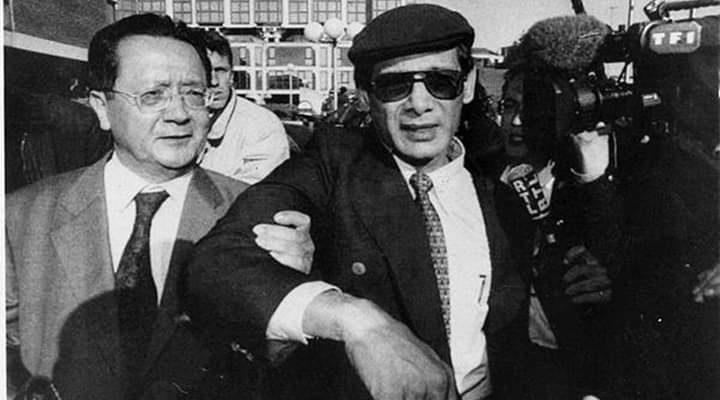
                                                    इन्स्पेक्टर मधुकर झेंडे,  चार्ल्स सोबराज

गोव्यात म्हापशात त्या रात्री साध्या वेशात असलेले इन्स्पेक्टर मधुकर झेंडे आणि मी कदाचित समोरासमोर आलोही असेल, मात्र त्यांच्याशी काही बोलणे शक्यच नव्हते.

आपल्या मुंबई पोलीस टिममधल्या चारपाच लोकांव्यतिरिक्त कुणाशीही एक शब्दसुद्धा बोलण्याच्या मनःस्थितीत ते त्यावेळी नव्हते.

त्या रविवार ६ एप्रिल १९८६च्या रात्री तिथे जमलेल्या आम्हा काही मोजक्या पत्रकारांच्या प्रश्नांना उत्तरे देण्यास त्यांना अजिबात स्वारस्य नव्हते.

पर्वरी येथील `हॉटेल ओ कोकेरो' येथे चार्ल्स सोबराजच्या शिताफीने मुसक्या बांधल्यानंतर म्हापसा हॉटेलातून चेक-आऊट करून सोबराजसह शक्य तितक्या लवकर गोवा सोडून मुंबई गाठण्याच्या घाईत ते होते.

काल शुक्रवार दुपारी घरच्या टिव्हीवर पिक्चर सुरु झाल्यानंतर `इन्स्पेक्टर झेंडे' असे चित्रपटाचे शिर्षक झळकले आणि डोक्यात तिडीक उठली.

''इन्स्पेक्टरसाठी हेच नाव निवडण्याची काही गरज होती काय?'' असे मी मोठ्याने बोललोसुद्धा.

दोनचार मिनिटे गेली आणि लक्षात आले, ``अरे हो, हा तर मधुकर झेंडे आणि चार्ल्स सोबराज यांच्यावर चित्रपट आहे !''

त्यानंतर मी टिव्हीवरुन नजर वळवली.

आज माझ्या टेबलावर पणजी येथील `द नवहिंद टाइम्स' या इंग्रजी दैनिकात सोमवार ७ एप्रिल १९८६ रोजी पान एकवर बॅनर म्हणून प्रकाशित झालेली बातमी आहे.

``Sobhraj arrested in Goa ?'' असा प्रश्नात्मक मथळा असलेली जुन्या महाकाय लायनो सेट मशीनवर कंपोझ केलेली ही बातमी आहे.

बातमीला जोड बायलाईन अशी आहे : By Jovito Lopes and Camil Parkhe

प्रश्नात्मक मथळा आहे याचा अर्थ आम्हा दोघा बातमीदारांनासुद्धा पकडलेली व्यक्ती चार्ल्स सोबराजच आहे याची खात्री नव्हती.

साध्या वेशातील इन्स्पेक्टर मधुकर झेंडे आणि त्यांच्या टिममधील कुणीही तोंड उघडण्यास तयार नव्हते.

प्रायव्हेट टॅक्सीमधून लवकरात लवकर त्यांना मुंबई हेडक्वार्टरला जाऊन आपल्या जाळ्यात गवसलेल्या मोठ्या प्राईझ कॅचविषयीची बातमी त्यांना जगजाहीर करायची होती.

आमच्या बातमीत इन्स्पेक्टर मधुकर झेंडे यांचा उल्लेख `एम झेंडे' असा करण्यात आला होता.

आमच्याकडे खूपच तुटपुंजी आणि ऐकीव माहिती होती,

रात्रीचे नऊ वाजत आले होते आणि जोवितो लोपीस यांच्या स्कुटरवरुन म्हापशाहून पणजीला परतून डेडलाईन वाढवून ती बातमी आम्ही छापण्यात यश मिळवले होते.

दिल्लीतल्या हाय सेक्युरीटी तिहार जेलमधून १६ मार्च १९८६ ला परागंदा झालेल्या चार्ल्स सोबराजला पुन्हा पकडण्यात इन्स्पेक्टर मधुकर झेंडे यांच्या टिमला यश आले होते.

तसे इन्स्पेक्टर मधुकर झेंडे आणि चार्ल्स सोबराज खूप जुने संबंध होते.

इन्स्पेक्टर झेंडे यांनी याच चार्ल्स सोबराजला आधीही एकदा जेरबंद केले होते.

ही बातमी प्रसिद्ध झाल्यानंतर त्याच दिवशी सोमवारी संध्याकाळी दाबोळी विमानतळावरून मी दिल्लीला गेलो होतो, तेथून लगेच त्याकाळच्या सोव्हिएत रशिया आणि बल्गेरिया येथे पत्रकारितेच्या अभ्यासक्रमासाठी गेलो होतो.

त्यानंतरच्या पुढील काही महिन्यांत चार्ल्स सोबराज प्रकरणात गोव्यात, मुंबईत आणि भारतात काय घडले हे मला काहीच माहित नाही.

`बदलती पत्रकारीता' या माझ्या पुस्तकात (सुगावा प्रकाशन, २०१९) 'गोव्यात चार्ल्स सोबराजला अटक झाली तेव्हा' हे पहिलेच प्रकरण आहे.

वयोवृद्ध चार्ल्स सोबराज मागच्या वर्षीच नेपाळ तुरुंगातून फ्रान्समध्ये परतला आहे.

मधुकर झेंडे यांचे हल्ली पुण्यात कात्रजला आणि मुलाकडे सिंगापूरमध्ये वास्तव्य असते. झेंडे हे समाजवादी नेते डॉ. बाबा आढाव यांचे जवळचे नातलग.

म्हापशात आलो कि आजही बस स्टॅण्डसमोरच्या जीटीडीसी मालकीच्या `म्हापसा रेसिडेन्सी'कडे माझी नजर जातेच.

तेथून पणजीला जाताना पर्वरीला आजही त्याच अवस्थेत असलेल्या `हॉटेल ओ कोकेरो'कडे नजर जाते. कितीतरी गोष्टी नजरेसमोर झळकतात.

साडेचार दशकांच्या माझ्या पत्रकारितेच्या कारकिर्दितील ही माझी सर्वांत मोठी आणि सर्वाधिक स्मरणीय आणि गाजलेली बातमी.

Camil Parkhe September 6, 2025 


Sunday, December 8, 2024


मी बातमीदार बनलो तेव्हा म्हणजे १९८१ साली आम्हा पत्रकारांना आणि इतर बिगरपत्रकार वृत्तपत्र कर्मचाऱ्यांना वर्षातून दहा पगारी सुट्ट्या (हॉलीडेज) होत्या. रजा वेगळ्या.

तत्कालीन अस्तित्वात असलेल्या आणि बहुसंख्य प्रतितिष्ठ वृत्तपत्रांत अंमलबजावणी होत असलेल्या वृत्तपत्र कर्मचारी कायद्यानुसार या पगारी सुट्ट्या होत्या.
गोव्यात आमच्या `द नवहिंद टाइम्स' या इंग्रजी आणि `नवप्रभा' या जुळ्या मराठी दैनिकात वर्षातून काही दिवस - नूतन वर्ष एक जानेवारी, २६ जानेवारी, पंधरा ऑगस्ट, गणेश चतुर्थी, दिवाळी - छपाई बंद ठेवून सर्वांना सुट्टी मिळायची,
यात तीनचार वर्षांनी एक मेच्या कामगार दिनाची भर पडली.
याचे कारण त्याकाळात डाव्या विचारसरणीचा जोर होता आणि आम्ही गोवा युनियन ऑफ जर्नालिस्टस (गुज) चे पदाधिकारी असलेले श्रमिक पत्रकार आणि इतर वृत्तपत्र कर्मचारी स्वतःला कामगार समजायचो. उरलेल्या पाच पगारी सुट्ट्या आम्ही वर्षातून कधीही घेऊ शकायचो.
त्याशिवाय पत्रकार कायद्यानुसार वर्षाला तीस हक्काची रजा, बारा आजारपणाची रजा आणि दहाबारा कॅज्युएल रजा असायच्या.
गोवा सोडून मी पुण्यात इंडियन एक्सप्रेसला रुजू झालो तेव्हापर्यंत अशीच स्थिती होती,
पुण्यात त्यावेळी म्हणजे १९८९ साली मात्र दैनिकांच्या वेगवेगळ्या सुट्ट्या असायच्या.
त्यावेळची प्रत्येक स्थानिक दैनिक आपापल्या वर्धापनदिनानिमित्त छपाई बंद ठेवायचे. उदाहरणार्थ, `सकाळ' चा वर्धापनदिनाला एक जानेवारीला सुट्टी असायची, दोन जानेवारीला पेपर नसायचा.
ही परिस्थिती एकदोन वर्षात व्यवहारी दृष्टिकोनामुळे बदलली.
मुंबईतल्या `लोकसत्ता आणि इंडियन एक्सप्रेसने पुण्यात आवृत्त्या सुरु केल्या होत्या. या दोन्ही वृत्तपत्रांनी आपल्या प्रती `सकाळ' वर्गणीदारांच्या घरांत दोन जानेवारीला फुकटात देणे सुरु केले.
त्यावेळचा पुण्यात दोन क्रमांकाचा असणारा `प्रभात' दुप्पट किंवा त्याहून अधिक प्रती दोन जानेवारीला छापू लागू लागला.
पुण्यात `सकाळ', `प्रभात' आणि `केसरी' याशिवाय इतरही दैनिके आहेत, याचा वाचकांना यावेळी पहिल्यांदाच पत्ता लागला.
परिणामतः `सकाळ' व्यवस्थापनाने एक जानेवारीला वृत्तपत्राची छपाई बंद ठेवण्याचा निर्णय रद्द केला. प्रतापराव पवार यांनी नानासाहेब परुळेकरांचा `सकाळ' पाचसहा वर्षांपूर्वी खरेदी केला होता.
छपाई आणि काम सुरु राहिले तरी `सकाळ' कर्मचाऱ्यांना मात्र त्यादिवसाऐवजी इतर दिवशी सुट्टी घेता यायची, आजही ही सोय आहे.
मी `इंडियन एक्सप्रेस'ला असतानाच पुण्यातल्या वृत्तपत्र वितरकांनी होळीनिमित्त सुट्टी घेण्याचा निर्णय घेतला.
बहुतेक वृत्तपत्र व्यवस्थापकांनी या निर्णयाला ठाम विरोध केला. या वितरकांच्या मदतीशिवाय आपण आपल्या दैनिकाच्या प्रती लोकांना वाटू असाही इशारा त्यांनी दिला.
वृत्तपत्र विक्रेत्यांनी आपला सुट्टीचा निर्णय वृत्तपत्र व्यवस्थापनकांना कळवल्यानंतर तीनचार दिवस तणावाची आणि संघर्षाची परिस्थिती निंर्माण झाली होती, हे आजही आठवते
मात्र वितरकांनी आपली एकी कायम ठेवली आणि आम्हा वृत्तपत्र कर्मचाऱ्यांना असलेल्या आणखी एका सुट्टीची भर पडली.
पुण्यातल्या वृत्तपत्र वितरकांना आपल्या ताकदीची जाणीव झाली,
याआधी वृत्तपत्र कर्मचारी संघटितरित्या वृत्तपत्राची सुट्टीबाबत निर्णय घेऊ शकत असत. आता त्यांची जागा वृत्तपत्र वितरकांनी घेतली होती,
हळूहळू एक मे चा कामगार दिन किंवा महाराष्ट्र दिन, अशा सुट्ट्या वाढत गेल्या.
अलीकडेच दिवाळीनिमित्त पुण्यात दैनिकांची छपाई त्यामुळे दोन दिवस बंद असते.
पुण्यात काल आणि आज वृत्तपत्रे नाहीत.
मात्र किती वाचकांना या दोन दिवशी सकाळी चुकल्याचुकल्यासारखे किंवा दैनिकांची गैरहजेरी जाणवतअसेल ?
Camil Parkhe


Saturday, May 4, 2024

डेम्पो हाऊस

खूप काळानंतर या वेळेस गोव्यात दीर्घकाळ मुक्काम केला. तसे ठरवून गेलो नव्हतो पण दररोज मुक्काम वाढवत गेलो. यावेळी काही गोष्टी प्रकर्षाने जाणवल्या.

मला आठवते तसे म्हापशाहून पणजीला प्रवेश करताना मांडवीवरच्या त्याकाळच्या एकमेव नेहरू पुलावरून एका बाजूला दिसायचे ते रायबंदर- ओल्ड गोवाकडे जाणारा रस्ता आणि दुसऱ्या बाजूला गोव्याच्या चिमुकल्या राजधानीचे रूप आणि मिरामार येथे अरबी समुद्रात विलीन होण्यासाठी न खळाळता संथपणे पुढे जाणारा मांडवीचा खोल प्रवाह.
पुलाच्या दोन्ही बाजूला मॉर्मुगोवा बंदराच्या दिशेने लोहखनिज घेऊन जाणाऱ्या किंवा तेथून परतणाऱ्या मोठमोठ्या आकाराच्या बार्जेसची रांग असायची.
मांडवीच्या तीरावर असलेल्या काही मोठ्या वास्तू ठळकपणे दिसायच्या. त्याकाळात गोवा, दमण आणि दीव केंद्रशासित प्रदेशाचे असलेले सेक्रेटरीएट म्हणजेच मध्ययुगीन आदिलशाह पॅलेस, हिरव्या रंगाचे ठोकळेवजा आकाराचे पाचसहा मजली डेम्पो हाऊस आणि अल्तिन्होवरची कौलारीं टुमदार घरे.
मांडवीवरचा तो १९७२ साली बांधलेला तो नेहरू पूल १९८६ साली काहीही प्राणहानी किंवा इतर हानी न होता कोसळला. आता या नदीवर तीन पूल आहेत, त्यापैकी महत्त्वाचा अटल सेतू.
आता मांडवीच्या पुलावर पणजीच्या बाजूला दिसतात ती रांगेने उभी राहिलेली भल्यामोठ्या आकारांची कॅसिनोज. गोव्यातील ही कॅसिनो संस्कृती तशी खूप अलीकडची. मी मिरामारला कॉलेजात असताना पावसाळा संपल्यावर दररोज सकाळी मुंबईहून पणजी धक्क्याकडे भोंगा वाजवत स्टिमर (आगबोट) यायचे.
त्या दोनतीन मजली स्टिमरच्या तुलनेत आताचे कॅसिनोज मलातरी फार बटबटीत वाटले. राजधानीत झालेल्या अनेक पुलांमुळे ते जुने सेक्रेटरिएट/ आदिलशाह पॅलेस आणि ते डेम्पो हाऊस दिसेनासे झाले आहे.
दूरवरून आता नजरेआड झालेल्या मध्ययुगीन काळात बांधलेला आदिलशाह पॅलेस किंवा जुने सेक्रेटरीएट आणि डेम्पो हाऊसबद्दल मला खंत वाटते.
याचे कारण या दोन्ही वास्तूंशी मी अनेक वर्षे संबंधित होतो .
पणजी मार्केटपाशी नदीकिनारी असलेले `डेम्पो हाऊस' आमच्या `द नवहिंद टाइम्स' या इंग्रजी दैनिकाच्या मालकांचे मुख्यालय होते (आजही आहे) तर बातमीदार म्हणून सेक्रेटरीएटमध्ये अँबे फरियाच्या पूर्णाकृती पुतळ्यापाशी असलेल्या प्रेस रूममध्ये मी अनेक वर्षे बसत होतो.
आणि दुसरे एक महत्त्वाचे कारण. माझे हायर सेकंडरी, पदवी आणि पदव्युत्तर शिक्षण मिरामार समुद्रकिनारी असलेल्या धेम्पे कॉलेज ऑफ आर्ट्स अँड सायन्स येथे झाले. हे धेम्पे कॉलेज आणि पणजीतले डेम्पो कॉमर्स कॉलेज डेम्पो उद्योगसमूहाच्या मालकीचे.
धेम्पे आडनावाचे `डेम्पो' हे पोर्तुगीज धाटणीचे नाव.
ऐंशीच्या दशकात मी डेम्पो उद्योगसमूहाच्या `द नवहिंद टाइम्स' आणि मराठी जुळे भावंड `नवप्रभा' दैनिकाच्या कामगार संघटनेचा आणि गोवा युनियन ऑफ जर्नालिस्ट (गुज) चा सरचिटणीस होतो. त्याकाळात एका नाविन्यपूर्ण कामगार खटल्याविषयी मी ऐकले.
`नवप्रभा' दैनिकात प्रुफरीडर असलेल्या आणि फार पूर्वी नोकरीतून काढून टाकलेल्या एका व्यक्तीची कामगार न्यायालयाने, औद्योगिक लवादाने आणि न्यायालयाने पुनर्नेमणूक केली होती. कामगार संघटना आणि न्यायालयीन प्रकरणात हे एक अतिशय अनोखे प्रकरण होते.
त्या मुद्रितशोधकाचे नाव होते विश्वास उर्फ भैय्या देसाई.
मध्यम उंची आणि सडपातळ शरीरकाठी असलेले भैय्या देसाई सेवेत पुन्हा रुजू झाले तेव्हा त्यांच्या निवृत्तीसाठी केवळ दोनतीन वर्षे बाकी होती.
एक कामगार नेता या नात्याने मला त्यांच्या जीवनातील या घटनेने खूप आश्चर्यचकित केले. कामगार संघटनेतील त्या काळात मी अनुभवले की त्या दिवसांत कायदेकानु आणि त्यामुळे न्यायसंस्थासुध्दा नेहेमीच कामगारांच्या बाजूने असत.
ते वर्ष असावे १९८६ च्या दरम्यानचे. आणि देसाई यांच्या जीवनातील हा प्रसंग होता वीसबावीस वर्षांपूर्वीचा.
नेमके बोलायचे झाल्यास १९६३ सालचा.
पंतप्रधान पंडित जवाहरलाल नेहरु यांनी दोन वर्षापूर्वीच भारतीय लष्कराकरवी गोवा आणि गुजरातपाशी असलेले दमण आणि दीव हे प्रदेश पोर्तुगीजांच्या सत्तेतून मुक्त केले होते. यथावकाश भारतीय संघराज्यातल्या या केंद्रशासित प्रदेशाच्या पहिल्यावहिल्या विधानसभेच्या निवडणुका जाहीर झाल्या आणि अनेकांनी निवडणुकीच्या रिंगणात उड्या घेतल्या.
तरुण वयातील देसाई यांच्यावर समाजवादी विचारसरणीचा प्रभाव होता असेही आता अंधुकसे आठवते. देसाई हेसुद्धा निवडणुकीत उमेदवार म्हणून उभे ठाकले, बहुधा समाजवादी पक्षाचे उमेदवार किंवा अपक्ष म्हणून.
यात वावगे असे काहीही नव्हते. पण एक गोची होती.
देसाई हे त्यावेळी पणजी येथून प्रसिध्द होणाऱ्या `नवप्रभा' दैनिकात नोकरीस होते. `नवप्रभा' आणि `द नवहिंद टाइम्स' इंग्रजी दैनिक ही वृत्तपत्रे डेम्पो औद्योधिक समूहाच्या मालकीची होती.
या वृत्तपत्राचे एक मालक असलेले वैंकुठराव डेम्पो काँग्रेस पक्षाचे उमेदवार म्हणून त्याच मतदारसंघात उतरले होते. वैंकुठराव यांचे थोरले बंधू वसंतराव धेम्पे हे डेम्पो औद्योधिक समूहाचे चेअरमन होते.
गोवा, दमण आणि दीव केंद्रशासित प्रदेशाची ही पहिलीच निवडणूक. स्वातंत्र्यसैनिक पुरुषोत्तम काकोडकर यांच्या नेतृत्वाखाली गोव्यातील काँग्रेस पक्ष हिरीरीने निवडणुकीत उतरला होता. पुरुषोत्तम काकोडकर हे शास्त्रज्ञ अनिल काकोडकर यांचे वडील.
पंडित नेहरू आणि काकोडकर यांच्या काँग्रेस पक्षाची या निवडणुकीत अक्षरशः धूळधाण उडाली. गोव्यात या पक्षाला एकही जागा मिळाली नाही. म्हणून `गोवा के लोक अजीब हैं' हे नेहरूंचे ते प्रसिध्द वाक्य.
त्याऐवजी गोंयकारांनी दयानंद उर्फ भाऊसाहेब बांदोडकर यांच्या महाराष्ट्रवादी गोमंतक पक्षाला `मगो'ला एकूण तीस जागांपैकी सर्वाधिक जागा दिल्या, डॉ जॅक सिकवेरा यांच्या युनायटेड गोवन्स पार्टीला `युगो'ला त्याखालोखाल जागा मिळाल्या.
अपक्षाचा पाठिंबा मिळवून बांदोडकर पहिले मुख्यमंत्री बनले.
त्यावेळी अनेक उद्योगपती, खाणमालक आणि भाटकार म्हणजे जमीनदार लोकांनी निवडणूक लढ्वल्या होत्या. काँग्रेस पक्षाचे गोव्यातले सगळे उमेदवार पराभूत झाले, त्यामध्ये वैंकुठराव डेम्पो यांचाही समावेश होता.
वैंकुठराव डेम्पो यांच्या विरोधात या मतदारसंघात निवडणूक लढवणाऱ्या डेम्पो यांच्याच मालकीच्या असलेल्या `नवप्रभा' दैनिकात नोकरीला असलेल्या भैय्या देसाई यांचाही पराभव झाला होता. निवडणुकीच्या प्रचारासाठी देसाई काही काळ रजेवर होते.
निवडणुका संपल्या, निकाल लागले आणि लगेचच डेम्पो उद्योगसमूहात कामाला असलेल्या देसाई यांना कामावरून काढून टाकण्यात आले.
कारण अर्थातच सहज कळण्यासारखे होते.
मात्र वरकरणी देसाई रीतसर रजा न घेता कामावर गैरहजर राहिले, हे त्यांच्या बडतर्फीचे कारण देण्यात आले होते.
त्या बडतर्फी विरुद्ध देसाई यांनी प्रथम कामगार आयुक्त आणि नंतर औद्योगीक लवादाकडे, न्यायालयाकडे धाव घेतली. आता भारतीय संघराज्यातले अनेक कायदेकानू गोवा, दमण आणि दीव केंद्रशासित प्रदेशात लागू झाले होते.
अपवाद पोर्तुगीज राजवटीतला समान नागरी कायदा.
देसाई विरुद्ध डेम्पोच्या मालकीचे हे दैनिक असा हा खटला कैक वर्षे चालला. वरच्या पातळीवर अपिल होत विसेक वर्षांनंतर खटल्याचा निकाल लागला तो देसाई यांच्या बाजूने.
देसाई यांना पुन्हा कामावर रुजू करण्यात यावे आणि मागील वीस-बावीस वर्षांचा त्यांचा पगार व्याजाच्या रकमेसह त्यांना देण्यात यावा असा तो निकाल होता !
खटल्याच्या काळात देसाई यांनी इतरत्र कुठेही नोकरी केली नव्हती, ही बाब निकालात महत्त्वाची ठरली होती.
दरम्यानच्या काळात देसाई यांना नोकरीअभावी खूप आर्थिक हालअपेष्टा सहन कराव्या लागल्या होत्या. मात्र त्यांनी चिकाटी सोडली नव्हती.
घटनात्मक निवडणुकीत मालक विरुद्ध कामगार अशी ही लढाई झाली होती. अर्थात काँग्रेस उमेदवार असलेल्या उद्योगपती वैकुंठराव डेम्पो यांचे देसाई हे कुठल्याही अर्थाने थेट प्रतिस्पर्धी नव्हते.
डेम्पो यांच्या पराभवास देसाई यांच्या उमेदवारीमुळे वा घेतलेल्या मतांमुळे कुठलाही हातभार लागला नव्हता. तरी उद्योगसमूहातील एका नोकराने चक्क मालकाविरुद्ध निवडणूक लढावी हे व्यवस्थापनाच्या पचनी पडले नव्हते.
एक गोष्ट खरी होती कि औद्योगिक लवादाच्या आणि न्यायालयाच्या निकालाविरुद्ध मुंबई हायकोर्टात अपिल न करता व्यवस्थापनाने नमते घेतले होते आणि देसाई यांना पुन्हा नोकरीवर घेत त्यांचा सर्व पगार आणि इतर रक्कम दिली होती.
ऐंशीच्या दशकात `द नवहिंद टाइम्स'चा बातमीदार म्हणून वसंतराव आणि वैकुंठराव डेम्पो त्याचप्रमाणे वसंतराव यांचे चिरंजीव वासुदेव डेम्पो यांच्या अनेक कार्यक्रमांना मी हजर होतो.
मुद्रितशोधक देसाई अन त्यांची दीर्घकाळ चाललेली कायदेशीर लढाई मी जवळजवळ विसरलो होतो.
गेल्या आठवड्यात देसाई यांचा चेहरा, मुद्रितशोधकांच्या टेबलापाशी त्यांच्याशी माझे होणारे संभाषण स्मृतीपटलातून तब्बल चाळीस वर्षानंतर पुन्हा वर आले.
निमित्त होते गोव्यात लोकसभेसाठी सत्तारूढ भाजपने दिलेले उमेदवार.
भाजपने उद्योगपती श्रीनिवास डेम्पो यांच्या पत्नी पल्लवी डेम्पो यांना दक्षिण गोवा मतदारसंघातून उमेदवारी दिली आहे.
भाजपकडून `नारी शक्तीचा सन्मान' असे या उमेदवारीचे वर्णन करण्यात आले आहे.
श्रीनिवास डेम्पो हे वसंतराव डेम्पो यांचे नातू. १९६३च्या निवडणुकीच्या रिंगणात उतरलेले वैकुंठराव डेम्पो हे श्रीनिवास यांचे चुलतआजोबा.
पल्लवी डेम्पो यांच्या रूपाने डेम्पो उद्योगपतीच्या घराण्यातील व्यक्तीने साठ वर्षांच्या दीर्घ कालावधीनंतर निवडणुकीच्या मैदानात प्रवेश केला आहे.
दक्षिण गोवा मतदारसंघातीळ ही लढत निश्चितच लक्षणीय ठरेल.
याचे कारण उत्तर आणि दक्षिण या गोव्यातील दोन लोकसभा जागांचे वेगळेपण आणि तिथले मतदार. पण त्याबाबत पुढील काळात कधीतरी.
Camil Parkhe

Saturday, August 26, 2023


मासळी :  दिड-दोन महिन्यांआधी शंभर किंवा दिडशे रुपये किलो असणारे ओले बोंबील काल साडेतीनशे रुपये किलो होते, माझा आवडीचा `ऑल टाइम फेवरेट' असलेला बांगडा मे महिन्याअखेरीस शंभर रुपये किलो होता, त्याची किंमत सुद्धा आता साडेतीनशेच्या आसपास होती.सहज म्हणून चौकशी केली. सुरमई, रावस प्रत्येकी हजार रूपये किलो. नदीतले काही मासे होते, काळेकुट्ट रंगाचे काही खेकडेपण होती पण त्याबद्दल मी काही चौकशी केली नाही.

घ्यायचे नव्हते तरी सहज म्हणून चौकशी केली. सुरमई, रावस प्रत्येकी हजार रूपये किलो. नदीतले काही मासे होते, काळेकुट्ट रंगाचे काही खेकडेपण होती, पण त्याबद्दल मी काही चौकशी केली नाही.
जिथे जायचे नाही त्या गावाच्या वाटेची कशाला चौकशी करायची ?
ज्याच्याकडून मी नेहेमी (रविवार सोडून) मासे घेतो तो आमच्या घराशेजारचा मासळी दुकानदार पक्का व्यवहारी, धोरणी आहे. दर सोमवारी आणि महिन्यातील काही विशिष्ट तिथी -सणावारी तो दुकान बंद ठेवतो. अनायसे त्याला आणि कामगारांना सुट्टी मिळते आणि धंद्यातला तोटाही वाचतो.
कालचीच गोष्ट पाहा ना. संध्याकाळी घरी तळण्यासाठी काही न्यावे म्हणून दुकानात गेलो तर 'पुढील आठ दिवस अमुकअमुक तारखेपर्यंत दुकान बंद राहील' अशी पाटी होती.
खूप हिरमोड झाला. वर्षातून याच काळात जेव्हा मालाची आणि गिऱ्हाईकांचीही आवक कमी असते नेमके तेव्हाच हा दुकानदार धार्मिक पर्यटन, भटकंती अशी विविध कामे उरकून घेत असतो.
तर हमरस्त्यावरच्या या दुसऱ्या दुकानात मी गेलो, तिथे प्रत्येक माशांच्या प्रकारांची किंमत त्या-त्या कंटेनरवर लिहिली होती. मॉलमध्ये असते तशी.
आणि मासळीची किंमत काहीही असली तरी अनेक बायापुरुष रांगा लावून, हातांत ट्रे घेऊन आपल्याला हवी ती मासे घेत होती, वजन करायला आणि पैसे द्यायला गल्ल्याकडे जात होती.
मासे आणायला गेलो की मला हमखास गोव्यातल्या पणजी फिश मार्केटची आठवण येते.
आमच्या 'द नवहिंद टाइम्स' दैनिकाचे मुख्य वार्ताहर दुपारी साडेबाराच्या आसपास अगदी शेजारीच असलेल्या या फिश मार्केटमध्ये जायचे. त्याआधी शिपायाकडून प्रतिस्पर्धी असलेल्या दैनिक `गोमंतक' किंवा इंग्रजी `हेराल्ड'चा एक अंक मागवायचे आणि त्यात मासळी गुंडाळून घेऊन यायचे. स्कुटरच्या डिकीमध्ये ही मासळी ठेवून पर्वरीला ते आपल्या घरी जेवायला आणि दुपारच्या सिएस्ता म्हणजे वामकुक्षीसाठी जायचे.
काही वर्षांनंतर ते `गोमंतक टाइम्स'ला रुजू झाल्यानंतर मासळी नेण्यासाठी ते काय करायचे हे मला माहित नाही.
ताळगावला घरी जाण्याआधी फिश मार्केट मध्ये संध्याकाळी साडेसातच्या दरम्यान मी जायचो.
तिथे बांगडा आणि इतर काही मासळीचे वाटे पसरुन ठेवलेले असायचे. एका वाट्यामध्ये सात आठ बांगडे असायचे. दहा रुपयाला एक वाटा.
बांगडे करी करायला, तळायला सोपे, त्याशिवाय एकच सरळ, मोठा काटा. हल्ली दहा रुपयाला वाट्यामध्ये मिळणाऱ्या सात-आठ बांगडे माशांची आठवण तशी सुखद वाटते.
आणि दुसरे एक.
गोव्यात जसा समान नागरी कायदा शंभर वर्षांपासून, पोर्तुगीज राजवट असल्यापासून, अंमलात आहे, त्याचप्रमाणे तिथे जवळजवळ बहुसंख्य लोक अगदी प्रेमाने, आवडीने मासळी खात असतात. मासळीबाबत अलिखित समान खाद्य संस्कृती ! बंगाली लोकांप्रमाणेच. अर्थात काही दिवसांचा आणि सणावारांचा तिथेही अपवाद असतोच.
काल नेहमीपेक्षा तिपटीने अधिक मासळीची किंमत देऊन मी आलो आणि सहज लक्षात आले.
सद्या टमाटे खूप महाग झाले याविषयी सगळीकडे चर्चा झाली, होत आहे, तशी मासळीच्या तात्पुरत्या वाढलेल्या किंमतीची झालेली नाही.
बहुधा होणारही नाही.

Wednesday, December 28, 2022

 Writer's Corner

When fugitive Charles Sobhraj was nabbed in Goa…. 

charles sobhraj
just pune things app


Camil Parkhe 

Pune, 25th December 2022: I was winding up my work at The Navhind Times office in Panjim on a Sunday evening when I received a telephone call from an excited reader. He said there was some frantic activity going on in Porvorim near Panjim. Being the crime reporter, I asked the caller for some details and assured him that I would check out what was happening there. 

Then, I made a quick call to the police control room and I got the stock reply in Konkani, “Sogle shant asa, kai gadbad na! (No major crimes, all is well!)”. So I went on with my work and had no inkling of what was in store. 

That was the first of the several calls on the office landline I received late in the evening on that Sunday, 6th April 1986.

It was past 8.30 pm. In the 1970s and early 1980s, there was almost no life on the streets of Panjim, the capital of Goa, Daman and Diu after 7 pm on weekdays. Sundays and public holidays would be worse. Therefore, a person informing the newspaper about something abnormal happening on the Panjim-Mapusa route on a Sunday evening rang the alarm bells in me, a crime reporter. I again rang up the police control room, Number 100, to know what was happening in Porvorim. “Kay Na,” prompt came the reply and I was assured.

I rang up a police inspector too, but he said there was nothing to report. However, within half an hour, I received more calls.

In those days there was a double-lane road for most of the stretch of the Panjim-Mapusa route and therefore many people on the move had noticed that something was cooking at a particular spot.

By 9 pm, there were many such calls, each phone call prompting me to ring up higher police officials and different police stations to verify if something strange or if some major incident was taking place. Thus I called up Mapusa police station, the public relations officer of the Goa Police and many others and each call drew a blank.

The calls of our newspaper readers puzzled me. It was a Sunday and normally I did not stay in the office so late. The deadline for filing stories for us reporters was 7.30 pm, a maximum of 8 pm by which time our News Editor M. M. Mudaliar would clear stories, mark their pages, and leave for home. Only stories meant for page one were accepted after that and they were cleared by Editor Bikram Vohra when the night chief sub-editor went to his Miramar residence in the office jeep with page one copies at around 9 pm. However, there was a reason why I was hanging around so late in the newspaper office that Sunday night.

With Mudaliar’s prior permission, that evening I had booked urgent calls to the Delhi headquarters of the Indian Federation of Working Journalists (IFWJ) to confirm my journalism diploma course in Bulgaria and a visit to Russia. In those days, the BSNL had ordinary, urgent and lightning categories for local and outstation calls. After the urgent call materialised two hours later, IFWJ President K. Vikram Rao asked me to fly to New Delhi the very next day as several journalists including me were to fly to Moscow within a week. My excitement due to the forthcoming foreign tour was now getting somewhat dampened by these telephone calls about some strange happenings in Porvorim. I sometimes wondered if it was a prank. 

Soon, I got yet another call. This time the caller was more specific. Have the police caught a big fish near Porvorim, he asked. I then rang up the senior most police officer, the Goa inspector general of police (IGP). I apologised for calling him up on a Sunday at a late hour and asked him if there was any major arrest or happening near Porvorim. I felt assured when he replied in the negative. But when there was no end to the stream of inquisitive calls from readers, and there seemed no possibility of it being a prank, I once again called up the Goa IGP with more profound apologies. 

This time, the IGP did not hide his annoyance. “Camil, you know it too well, if there is anything major, or arrest of a big fish, I will be the first person to know it,” he said, again denying that any major incident was taking place at that moment in Porvorim.

Normally, such a reply from the top cop would have been the last word. But this time I did not feel assured. Was the IGP holding up the news, for the time being, I wondered.

All this time, Jovito Lopes, our sports reporter, who was working on his stories on the typewriter had his ears tuned to the repeated phone calls and my efforts to verify them. Soft-spoken Jovito, who was also a school teacher, was much senior to me in journalism. By that time, the night chief sub had already left for the editor’s residence with a compiled bunch of stories from reporters. 

After my second telephone call to the IGP, Jovito filed his last sports story, asked the peon to send it for linotype setting and turning to me, said, “Camil, there is really something big cooking up there in Porvorim. Let’s not waste time. Let’s move to that spot even if it is late night!”

Hurriedly, both of us climbed down the wooden steps of our two-storeyed tiled roof building and Jovito took out his scooter. In a few minutes, we had crossed both the Pato and Mandovi bridges and 10 minutes later arrived at O Coqueiro hotel in Porvorim, which had figured in some of those telephone calls. Some people, who were on the road outside the hotel, told us that the “centre of action” had moved from O Coqueiro to Mapusa. Without wasting a moment, we sped away on the scooter. Soon we arrived near the bust of Mahatma Gandhi in Mapusa and now there was no need to ask anyone for directions.

There was a huge crowd at the Hotel Residency run by the Goa Tourism Department Corporation, located just opposite the Mapusa bus stand. Jovito and I realised that a major event was indeed unfolding there. The crowd was watching as a group of persons with strong physiques made hurried movements from the hotel to the private taxis parked there. 

There were no prizes for guessing that these were police personnel in plain clothes. They were obviously in a hurry to leave the place as early as possible and none of them were interested in talking to anyone, let alone presspersons. I noted that a few journalists from other newspapers in Goa were already at the spot before us!

I held my breath as I saw what was happening before my eyes and learnt what had taken place. Jovito, a seasoned journalist, had managed to speak to some of those persons and the gathered bits of information were just shocking: The plain-clothed persons we were watching putting their bags into the waiting taxis were Mumbai police personnel and they had just succeeded in recapturing the most wanted international criminal, Charles Sobhraj. 

The serial killer had escaped some weeks back from India’s high-security Tihar Central Prison in Delhi. The daredevil team of Mumbai police had been on the trail of the fugitive for a few weeks.

What we gathered from the action spot was that the Mumbai police team headed by Madhukar Zende had nabbed Charles Sobhraj perhaps hours earlier at O Coqueiro hotel in Porvorim. The Mumbai police had for the most obvious reasons not given any clues to the Goa police about the big fish they wanted in their net. That explained why even Goa’s top cop, the inspector general of police was not aware of what was going on right under his nose in this tiny territory.

The Mumbai police team was in a hurry to leave for Mumbai along with their most prized catch. As a reporter who visited Panjim police station and also the Goa Bench of the Bombay High Court every day, I understood why the Mumbai police team was rushing out of Goa at the late night hour. 

The notorious criminal they had just nabbed had to be produced in court within 24 hours after the declared time of his arrest. Obviously, they were not interested in producing their prized catch in a court in Goa and thus make Goa police a party to their extraordinary success of arresting the fugitive criminal.

The Mumbai police team, which was on a long hunt to locate the whereabouts of Charles Sobhraj, had gone incognito. They did not even use their official cars and were now leaving for their headquarters in Mumbai in hired private taxis.

Jovito and I were at the ground before Hotel Residency for not more than 10 minutes. We watched in awe as the six to seven taxis – Charles Sobhraj was bundled off in one of them – sped away one by one before our eyes towards Altinho and then straight to Mumbai.

A few seconds later, Jovito and I rushed to his scooter and we too sped away in the opposite direction – to Panjim – to inform our boss about the front-page news that we had to file at this hour, beyond our newspaper deadline.

Immediately upon arrival at the newspaper office, Jovito rang up Editor Bikram Vohra to inform him of our story. He in turn spoke to the night chief sub and asked him to accommodate the late story and thus delay the printing of the next day’s newspaper edition. By this time, Jovito was banging away speedily at the typewriter keys with his one-finger typing. Ten minutes later, the chief sub-editor had a quick look at the one-and-half pages news copy and sent it to the ground floor for linotype setting. I did not have much of a role in this.

The next day, The Navhind Times carried a front page eight-column news with a joint byline “Jovito Lopes and Camil Parkhe”, announcing the recapture of Interpol-wanted criminal Charles Sobhraj. No, it was not an exclusive scoop for The Navhind Times. A few other dailies in Goa also carried the news in that day’s edition. The national dailies however missed the news of the late-night capture of one of the world’s most celebrated criminals.

Thanks to the alertness of sports reporter Jovito Lopes, I, a crime reporter, was saved from the huge embarrassment of missing the major, international story of the re-arrest of Sobhraj.

The Mumbai police left Goa with their prized collection just before midnight. No, there was no encounter after the police team crossed the Maharashtra border. The Mumbai police in the 1970s and 1980s were regarded as the best in investigation and dedication in the world, next only to Scotland Yard. After reaching their headquarters, the Mumbai police proudly announced to the world that they had captured Charles Sobhraj and the news was carried the next day in all national dailies.

Postscript

The day The Navhind Times carried the news of the arrest of Charles Sobhraj, I flew to New Delhi. I carried copies of The Navhind Times with me. I stayed with Padmanabhan, Special Correspondent of The Hindu in New Delhi, whose son, also a reporter in The Hindu in Chennai, was to attend the journalism course along with me in Bulgaria. The newspaper clipping impressed Padmanabhan, who the very next day arranged my interaction with some reporters in connection with the arrest of Charles Sobhraj. Thus, I too became a celebrity, basking in the reflected glory of the news of the celebrity criminal!

Charles Sobhraj, who was released after serving his term in the Indian prison, later lived in France. He was serving a prison sentence in Nepal for another crime he committed in that country before being released by the Supreme Court of Nepal. Now he has gone back to France.

By the way, Madhukar Zende, leader of the Mumbai police team, who nabbed Charles Sobhraj and who post-retirement settled in Pune, does not believe that capturing Sobhraj was the most extraordinary achievement in his career. There are other more significant cases investigated and handled by him, he says

Sunday, August 9, 2020

When fugitive Charles Sobhraj was nabbed in Porvorim, Goa


 When fugitive Charles Sobhraj was nabbed in Porvorim, Goa

I was winding up my work in our newspaper office in Panjim on a Sunday evening when I attended a telephone call. A newspaper reader wanted to know about the frantic activity going around in Porvorim near Panjim. As a crime reporter of The Navhind Times, I asked the caller some details related to his query and assured him to check what was happening there. Then, I made a quick call to the police control room and was relaxed when I got the stock reply, "सोगळे शांत असा, काय गडबड ना!” (No major crimes, all is well!)
That was one of the first and also the most casual calls on the office landline I received on that Sunday late evening, 6 April 1986.
It was past 8.30 pm. In 1970s and early 1980s, there was almost no life on streets in Panjim, capital of Goa, Daman and Diu after 7 pm on weekdays , and Sundays and public holidays, would be even worse. A person informing about something abnormal happening on Panjim-Mapusa route on Sunday evening therefore rang an alarming bell in me, a crime reporter. I immediately rang up to the police control room, Number 100, to know what was happening in Porvorim.. ‘Kay Na’ prompt came the reply and I was assured.
I rang up a police inspector but he too said there was nothing to report. Within half an hour, I had received more calls.
Those days there was a single road for the most stretch of the Panjim-Mapusa route and therefore many people on the move had noticed that something was cooking at a particular site.
By 9 p.m, there were many such calls, each phone call prompting me to ring up higher police officials and different police stations to verify if something strange or major incident was taking place at the site. Thus I had called Mapusa police station, press relations officer of the Goa Police and many others and each verification call had drawn a blank.
The calls of our newspaper readers really irritated me. It was Sunday and normally I did not stay in the office so late. The deadline for filing stories for us reporters was 7.30 pm, maximum 8 pm by which time our Assistant Editor M. M. Mudaliar would clear stories, mark their pages, and leave for home. Only stories meant for the page one were accepted after that and they were cleared by Editor Bikram Vohra when the night chief sub-editor along with page one copies went in a office jeep to his Miramar residence at around 9 pm. There was a reason why I was hanging around so late in the newspaper office that Sunday night.
With Mudaliar’s prior permission, that evening I had booked urgent calls to Delhi headquarters of the Indian Federation of Working Journalists (IFWJ) to confirm about my journalism diploma course in Bulgaria and a visit to Russia. Those days, the BSNL had ordinary, urgent and lightening categories for local and outstation calls. After the urgent call materialised after two hours waiting, IFWJ president K. Vikram Rao had asked me to fly to New Delhi the very next day as I, along with other journalists, were to fly to Moscow within a week. With this excitement of my foreign tour, now I was troubled with these telephone calls about some strange happenings in Porvorim. Was someone playing a prank, I wondered.
Soon, I got another call. This time the caller was more specific. Has the police caught a big fish near Porvorim, he asked. That was an alarm bell for the crime reporter in me. I rang up the senior most police, Goa inspector general of police. I apologised to him for calling on Sunday at this night hour and asked him if there was any major arrest or happening near Porvorim. I felt assured when he replied in the negative. But when there was no end to inquisitive telephone callers and there seemed no possibility if prank calls, I once again called the Goa IGP with more profound apologies. This time, the IGP did not hide his annoyance. “Camil, you know it too well, If there is anything major, or arrest of a big fish, I will be the first person to know it,” he said, again denying that any major happening was taking place at that moment in Porvorim.
Normally, such reply from the top cop would have been final. But this time I did not feel assured. Was the IGP hiding the news for the time being? I wondered.
Jovita Lopes, our sports reporter, who was typing his stories on typewriter had his ears all tuned to my local telephone conversation, the repeated phone calls and my efforts to verify the callers’ claims. Soft-spoken Jovito who was also a school teacher was much senior to me in journalism. The night chief sub had already left with a compiled bunch of stories of national news agencies and reporters for the editor’s residence. After I had ended my second telephone call to the IGP, Jovito filed his last sport story, asked the peon to send it for Linotype setting and he turned to me and said. : Camil, there is really something big cooking up there in Porvorim. Let’s now waste time. Let’s move to that spot even if it it late night!”
Hurriedly, both of us climbed down the wooden steps of our one-storeyed tiled roof building and Jovito took out his scooter. In a few minutes, we had crossed both the Pato and Mandovi bridges and 10 minutes later arrived at O Coqueiro hotel in Porvorim, which had figured in some of those telephone calls. Some people who were on the road outside the hotel told us that the `centre of action’ had moved from O Coqueiro to Mapusa. Without wasting a moment, Jovito sped away his scooter. Soon we had arrived near the bust of Mahatma Gandhi, in Mapusa and now there was no need to ask anyone the direction .
There was huge crowd at the Hotel Residency, the hotel of the Goa Tourism Department Corporation located just opposite Mapusa bus stand. Jovito and I realised that a major event was indeed unfolding there. The crowd was watching as a group of persons with strong physique made hurried movements from the hotel to the private taxis parked there. There was no guessing that these plains clothed people were police personnel. There were obviously in hurry to leave the place as early as possible and none of them were interested in talking to anyone, let alone presspersons. I had noted that a few journalists from other newspapers in Goa were already at the spot before us !
I held my breath as I saw what was happening before my eyes and learnt what had taken place. Jovito, a seasoned journalist, had managed to speak to some those persons and the gathered bits of information was just shocking : The plain clothed persons we were watching getting their bags into the waiting taxis were Mumbai Police personnel and they had just succeeded in recapturing a most wanted international criminal, Charles Sobhraj. The serial killer had escaped some weeks back from India’s most high security Tihar Central Prison. The daredevil team of Mumbai police had been on the trail of the fugitive for a few weeks.
What we gathered from the action spot was that the Mumbai police team headed by Madhukar Zende had nabbed Charles Sobhraj perhaps an hour before at O Coqueiro hotel in Porvorim. The Mumbai police had for most obvious reasons not given any clues to the Goa police about the big fish they had in their net. That explained why even Goa’s top cop, the inspector general of police - was not aware of what was going on right under his nose in this tiny territory.
The Mumbai police team was in a hurry to leave for Mumbai along with their most prized cash. As a reporter who visited everyday Panjim police station and also the Goa bench of the Bombay High Court everyday, I understood the need and hurry of the Mumbai police team in rushing out of this Goa at this late night hour. The notorious criminal they had just nabbed had to be produced in a court within 24 hours after the declared time of his arrest. Obviously they were not interested in producing their prized catch in a court in Goa and thus make Goa Police a party to their extraordinary success of arrest of the fugitive criminal.
The Mumbai Police team which was on a long hunt to locate the whereabouts of Charles Sobhraj had been going in cognito during these days. They did not even have their official cars and were now leaving for their headquarters in Mumbai in private hired taxis.
Jovito and I were at the ground before Hotel Residency not more than 10 minutes. We watched in awe as the six to seven taxis – Charles Sobhraj was bundled off on one of them – sped away one by one before our eyes towards Altinho and then straight to Mumbai.
A few seconds later, Jovito and I rushed to his scooter and we too sped away in opposite direction –to Panjim - and to inform our boss the most prized catch in our booty which we had to file at this hour which was beyond our newspaper deadline.
Immediately on arrival at the newspaper office, Jovito rang up editor Bikram Vohra to inform him of our story. The editor in turn spoke to the night chief sub and asked him to accommodate the late story and thus delay the next day’s newspaper printing. By this time, Jovito had been banging speedily the typewriter keys with his one finger typing. Ten minutes later, the chief sub-editor had a quick look at the one and half pages news copy and sent it to ground floor for linotype setting. I had not much role in this.
The next day, The Navhind Times carried a front page eight columns news with a joint byline ‘Jovito Lopes and Camil Parkhe’, announcing recapture of Interpol-wanted criminal Charles Sobhraj. No, it was not a scoop for The Navhind Times. A few other dailies in Goa had also carried the news in that day’s edition. The national dailies however missed the news of late night capture of one of the world’s most celebrated criminal.
Thanks to the alertness of sports reporter Jovito Lopes, I, a crime reporter was saved from the huge shame and lifelong embarrassment of missing a major, international story of re-arrest of Sobhraj.
The Mumbai police left Goa with their prized collection just before the midnight. No, no, there was no encounter after the police team entered Maharashtra borders. Mumbai police in 1970s and 1980s was regarded the best in investigation and dedication in the whole world, next only to the Scotland Police. After reaching their headquarters, Mumbai police proudly announced to the world that they had captured Charles Sobhraj and the news was carried the next day in all national dailies.
Post script
The day The Navhind Times carried news of arrest of Charles Sobhraj, I flew to New Delhi. I had carried the NT newspaper copies with me. I stayed with Mr. Padmnabhan, Special Correspondent of The Hindu in New Delhi, whose son, also a Hindu reporter in Chennai, was to attend journalism course along with me in Bulgaria. The newspaper clipping impressed Mr Padmanabhan who the very next day arranged my interaction with some New reporters in connection with the arrest of Charles Sobhraj. I too became a celebrity, basking in the reflected glory of the celebrity criminal !!!.
Charles Sobhraj who was released after serving his term in Indian prison later lived in France. Presently he has been serving a prison sentence in Nepal for another crime he committed in that country.
By the way, Madhukar Zende, leader of the Mumbai police team, who nabbed Charles Sobhraj and who post-retirement is now settled in Katraj in Pune does not believe that capturing Sobhraj was his most extraordinary achievement in his career. There are other more significant cases investigated and handled by him, he says.

Nishikant Anant Bhalerao has replied to my Facebook post...

कॅमिल, अरे तुला गम्मत सांगतो, तू गोव्यात होता आणि बातमी तुला मिळाली स्कुप म्हणून. त्यावेळी मी मराठवाडा दैनिकात रात्रपाळीत होतो. जयदेव पण होता.12 वाजता पाने देऊन आम्ही घरी गेलो. मी गच्चीवर झोपायला गेलो. अनंतराव तेव्हा संपादक होते.12.30 ला त्यांना घरी जगन फडणीस तेव्हा मुंबई प्रतिनिधी म्हणून ते मराठवाडा दैनिकाचे स्वेच्छेने काम करायचे. त्यांनी अनंतराव यांना सांगितले की प्रेस मध्ये फोन कोणी उचलत नाही म्हणून तुम्हाला फोन केलाय Stop Press बातमी आहे असे त्यांनी सांगितले आणि चार्ल्स शोभराज ला गोव्यात एका हॉटेल मध्ये इन्स्पेक्टर झेंडे यांनी पकडल्याचे सांगितले.कोणीच उपसंपादक रात्रपळीत नसल्याने कंपोज कोण करणार हा प्रश्न अनंतराव यांना पडला नाही त्यांनी फोर्मन ला बोलावून पहिल्या पानावरील एक बातमी काढली आणि धावता धावता या मथळ्याखाली 5 ओळी आपल्या स्व अक्षरात लिहून त्याची प्लेट बनवून घेतली आणि दुसऱ्यादिवशी महाराष्ट्रात फक्त औरंगाबादच्या मराठवाडा मध्ये बातमी आल्याने आम्ही खूष होतो. संपादकांच्या अक्षरात बातमी प्रसिद्ध झाल्याची ही पहिलीच घटना होती. जगन फडणीस स्टार पत्रकार होते आणि त्यांच्या मुंबई च्या दैनिकाचे deadline होऊन गेल्याने त्यांनी ती मराठवाडा दैनिकाला दिली. दैनिक समाजवादी, वार्ताहर पुरोगामी, चार्ल्स ला पकडणारे झेंडे सेवादलाचे अशीही एक गम्मत होतीच.जगन यांना स्वतः झेंडे यांनी फोन करून चालर्स पकडल्याचे सांगितले होते.झेंडे हे नाव बहुदा असेच आठवते. गोवा तुझे तर मराठवाडा आमचा.
  • Like
  • Reply
  • 14h